Recent advancements in measurement technologies have facilitated the acquisition of high-resolution data in fields such as engineering, biology, and medicine. However, these observations are frequently corrupted by measurement noise. To address this challenge, we propose a denoising framework that employs diffusion models to recover the underlying error-free data distribution, thereby enabling reliable downstream analysis. Central to our framework is a novel Reproducing Kernel Hilbert Space (RKHS)-based method that trains the diffusion model using only error-contaminated data. This method admits a closed-form solution and achieves a fast convergence rate in terms of estimation error. Theoretically, we validate our approach by deriving an upper bound on the Kullback–Leibler (KL) divergence between the distributions of the generated denoised data and the true error-free data. Extensive simulations demonstrate the superior empirical performance of our method compared to state-of-the-art baselines. Finally, we illustrate the framework's practical utility in digital health by applying it to Continuous Glucose Monitor (CGM) data, highlighting its potential to improve clinical trial outcomes for Diabetes Mellitus.
Video Coding Meets AI: ML-based Super-resolution & Restoration for Advanced Video Coding Standards
Machine learning (ML) has recently emerged as a promising approach to improving video coding efficiency. While end-to-end ML-based video coding is not yet ready for prime time, integrating ML-based super-resolution and restoration into advanced video coding standards offers a practical path toward AI-enhanced compression. In this talk, we present lightweight GAN-based super-resolution and Transformer-based restoration modules designed for modern video codecs such as AV1, AV2, and VVC. Experimental results demonstrate substantial compression gains with manageable computational overhead, highlighting the potential of integrating AI enhancement tools into video coding standards.
Hedging a derivative under trading costs is a sequential decision problem with no closed-form solution, and deep hedging solves it with reinforcement learning: an agent trades over time to minimise the risk of its final profit and loss. In current methods the risk preference is fixed before training and built into what the agent learns, so changing the preference means training again. Yet in practice one position is judged under several risk criteria at once.
This talk takes a distributional reinforcement learning view of the problem. Instead of a single risk-adjusted value, the critic learns the full distribution of the profit and loss, represented by its quantiles, and the risk preference becomes a set of weights applied afterwards. One learned distribution then serves a whole family of risk measures. We discuss which preferences are compatible with a learned distribution, why expected shortfall is the natural building block, and how the widely used entropic utility fits in the same framework. We then present two algorithms that follow from this view, a policy search through a market simulator and a distributional actor-critic in which the preference enters only as a vector of weights, and discuss what makes training the critic hard in this setting.
Differential Equation Models For Deep Neural Networks: Learning Theory, Calculus Of Variations And Optimal Control
Peter Markovich
Foreign Member of the Austrian Academy of Sciences and of the (Italian) Accademia Nazionale dei Lincei
We propose a partial differential-integral equation (PDE) framework for deep neural networks (DNNs) and their associated learning problem by taking the continuum limits of both network width and depth. The proposed model captures the complex interactions among hidden nodes, overcoming limitations of traditional discrete and ordinary differential equation (ODE)-based models. We explore the well-posedness of the forward propagation problem, analyze the exis- tence and properties of minimizers for the learning task, and provide a detailed examination of necessary and sufficient conditions for the existence of critical points.
Controllability and optimality conditions for the learning task with its associated PDE forward problem are established using variational calculus, the Pontryagin Maximum Principle, and the Hamilton-Jacobi-Bellman equation, framing the deep learning process as a PDE-constrained optimization problem. In this context, we prove the existence of viscosity solutions for the latter and we establish optimal feedback controls based on the value functional. This approach facilitates the development of new network architectures and numerical methods that improve upon traditional layer-by-layer gradient descent techniques by introducing forward-backward PDE discretization.
We offer a robust framework that enhances deep learning models’ stability, efficiency, and interpretability.
Measuring Health in Daily Life: Methods and applications of Digital Phenotyping
Smartphones and other personal digital devices offer new opportunities to measure human behavior and health in real-world settings and over extended periods. In this talk, I will provide an overview of our group’s work in digital phenotyping, spanning research infrastructure, statistical methodology, and clinical applications. I will introduce the Beiwe platform for collecting active and passive smartphone data, discuss methodological challenges such as missingness and reproducibility, and describe approaches for addressing them, including the imputation of missing GPS trajectories. I will then illustrate how digital phenotyping can complement conventional clinical assessments through examples from cancer recovery, bipolar disorder, and amyotrophic lateral sclerosis. Throughout, I will emphasize the importance of transparent, reproducible, and statistically principled methods for transforming complex digital data into meaningful measures of health.
NLP for Mental Health: Risk, Promise, Responsibility
Professor of Ubiquitous Knowledge Processing in the Department of Computer Science at the Technical University of Darmstadt in Germany Adjunct Professor at MBZUAI Affiliated Professor at INSAIT
More than a billion people live with a mental health condition, yet care remains scarce and often a poor fit for the person receiving it — so people increasingly turn to unsupervised chatbots to fill the gap. Because language is the richest signal we have into someone's psychological state, natural language processing is the key to doing this better. In this talk, I argue that NLP can genuinely help — but solving it takes clinical grounding, real data, and responsible evaluation, not just larger models. Drawing on work from my group, I show how large language models can turn therapy transcripts into treatment-relevant structure, how clinically grounded synthetic data eases the field's privacy bottleneck, and why evaluation must reflect what clinicians actually care about — not just what's easy to benchmark. I close with an invitation to build mental health AI that is personalized, privacy-aware, and responsibly evaluated: tools that support clinicians, not replace them.
Team’s web site: https://psych.ukp-lab.de/
Combined Tomography And Crystallography Of The Malaria Pigment Hemozoin And The Novel Methods Its Study Inspires
Malaria is caused by blood parasites of the genus Plasmodium. Disease symptoms result from massive digestion of hemoglobin after invasion of the red blood cells. The heme moiety so liberated is toxic to the parasite itself. Detoxification depends on sequestration of the heme into crystals of hemozoin, and indeed this process is a target of the common antimalarial drugs. The talk will describe our efforts over the years to investigate the process of heme crystallization in situ, within the parasite cell, at progressively increasing resolution. Vitrification of the water serves to immobilize the specimen while avoiding any alteration in composition. Emerging methods such as Soft X-ray Tomography, Scanning Transmission Electron Tomography, and 3D Electron Diffraction reveal the crystallographic nature of biogenic hemozoin. The applications also inspire new technological developments for cellular imaging in 3D. These include ptychographic tomography and depth-resolved diffraction by 4D-STEM, by which we aim to analyze the biomolecular content of a cell on the basis of electron scattering potential. The very large but sparse nature of such data makes them attractive subjects for machine learning and artificial intelligence.
Average Hazard for Robust Survival Analysis: From Trial Decisions to Causal Learning
Xiang Meng
Research Scientist at Dana-Farber Cancer Institute
The Cox hazard ratio is widely used in survival analysis, but under non-proportional hazards it can be difficult to interpret and sensitive to follow-up and censoring, creating the risk of drawing the wrong conclusion after a costly clinical trial. This talk studies average hazard, an integral measure of the survival curve with a hazard-scale interpretation, as an interpretable metric for both randomized trials and observational studies. I first present a projection framework that compares Cox, restricted mean survival time, and ratio of average hazards tests on a common efficiency scale, showing how each test aligns with different treatment-effect patterns and how censoring can change which test is most powerful. I then introduce a debiased, doubly robust approach for covariate-adjusted estimation of average hazard using flexible machine learning, enabling valid large-sample inference for causal average-hazard contrasts. Together, these results show how average hazard can support more reliable trial conclusions, inform drug-approval decisions, and potentially reduce the cost of survival studies when proportional hazards may fail.
Mathematics meets deep learning: From Adam optimization to numerics for PDEs
In the training of deep neural networks (DNNs), the employed optimization scheme is often not the standard stochastic gradient descent (SGD) method but instead suitable accelerated and adaptive SGD methods such as the famous Adam optimizer due to Kingma & Ba (2014). In the first main result of this talk, which we refer to as Adam symmetry theorem, we show for a simple class of quadratic stochastic optimization problems (SOPs) that Adam converges, as the number of Adam steps increases, to the solution of the SOP (the minimizer of the objective function) if and only if the random variables in the SOP (the data in the SOP) are symmetrically distributed. In particular, in the standard case where the random variables in the SOP are not symmetrically distributed we disprove the convergence of Adam to the minimizer of the SOP. In the second part of this talk we discuss deep learning methods for approximately solving high-dimensional partial differential equations (PDEs) such as Hamilton-Jacobi-Bellman (HJB) equations associated to optimal control problems. We demonstrate that DNNs can approximate solutions of semilinear Kolmogorov PDEs with Lipschitz nonlinearities with the number of real parameters of the approximating DNN growing at most polynomially in, both, the reciprocal of the prescribed approximation accuracy and the PDE dimension. In particular, we reveal that the numerical solution of such semilinear PDEs is a polynomial tractable approximation problem.
I will overview some research programs I have co-developed that blend ``traditional computer science'' -- particularly data management. computational reasoning, and theory -- with AI. I hope not only to give insight into my own work, but to provide a kind of case study in how changes in the computer science research landscape have impacted core computer science fields.
The first part of the talk will deal with applying ideas from data management, logic. and theoretical computer science to modern machine learning, and vice versa. Examples will be drawn from work published recently in ICALP, JMLR, LICS, NeurIPS, and TACAS. In the second half I will shift a bit to talk about how recent developments in AI have changed how I and others in these ``ML-adjacent'' areas operate, along with the challenges -- scientific and otherwise -- that these developments pose.
Telling pixels what to do: motion control for video generation
Generating accurate and controllable motion remains one of the central challenges in video synthesis. This talk explores recent advances in guiding motion generation through both training-free and learning-based approaches. We first examine how reference videos can be leveraged to steer motion synthesis without additional training, enabling flexible and efficient control. We then introduce a framework for assigning distinct actions to multiple entities within a scene, drawing inspiration from multiplayer game environments where subject-specific behaviours must be coordinated in space and time. Finally, we discuss emerging directions in physics-informed learning, highlighting how incorporating physical constraints can improve realism and consistency in generated motion. Together, these approaches outline a path toward more controllable and physically grounded video generation systems.
When AI Meets Code: Toward Trustworthy Systems Security
Machine learning has delivered remarkable results across domains, including systems security, often reaching levels of performance that suggest problems are "solved." But are they? In this talk, I argue that performance alone can be misleading: models may succeed without truly understanding, relying on shortcuts that break under adversarial pressure and distribution shift. This tension becomes particularly evident in security, where attackers actively adapt and data is inherently non-stationary. I will show how current approaches can fail in realistic settings, and why these failures are not accidental but rooted in a deeper mismatch between statistical learning and the semantics of code. But, unlike images, programs are governed by formal semantics. This opens a unique opportunity: to move beyond surface-level correlations and toward representations that preserve properties of interest, enabling more robust, explainable, and trustworthy systems. I will touch on recent advances along this direction, including learning under code symmetries, temporal invariance, and grounding large models in program semantics. The goal is not simply to improve models, but to rethink the foundations of how we build AI for systems security, toward a principled science of trustworthy code reasoning.
Traditional inference in (semi-)parametric models, such as generalized linear models, assumes that models are correctly specified and pre-determined. However, this approach is increasingly inadequate because models are often adaptively selected based on the data, introducing unacknowledged uncertainty. Furthermore, since models rarely represent a true underlying mechanism, standard inference is prone to bias from model misspecification; this is especially a concern in causal modeling, where even small degrees of misspecification in the range of the observed data can give rise to large biases. Recent advances in debiased machine learning and targeted learning have addressed these issues by reducing reliance on correct model specification. However, their model-free nature can limit their applicability and the insight they can deliver in complex settings.
Assumption-lean modeling rethinks the trade-off between model correctness, parsimony, and interpretability. It begins with data-adaptive outcome predictions, which are then projected onto specific model parameters. This projection is designed to ensure that the parameters remain interpretable or meaningful, even under model misspecification. By incorporating debiased machine learning techniques, assumption-lean modeling minimizes bias, maximizes interpretability, and provides valid confidence intervals that account for both model uncertainty and model misspecification.
In this talk, I will introduce the core principles of assumption-lean modeling, focusing on its application to generalized linear models for accessibility. The presentation will draw on the work of Vansteelandt and Dukes (2022) that was presented in a discussion paper for the Journal of the Royal Statistical Society: Series B. I will also showcase recent advancements aimed at balancing efficiency with interpretability.
Responsible Human-AI Interactions for Societal Decision-making
"AI systems are rapidly being adopted to augment human capabilities in societal decision-making, from clinical diagnosis to disaster management. Despite technically strong performance in isolation, such systems cause cognitive de-skilling and over-reliance in real-world settings. This raises the question: How can we design human-AI interactions that empower people and organizations to use AI responsibly?
In this talk, I argue for a proactive approach that aligns AI capabilities with cognition and context, rather than reactively mitigating issues after deployment. Here, I present a unified research agenda that integrates technical, cognitive and organizational dimensions of interaction. First, I present AI evaluation approaches that communicate model capabilities aligned to users’ sense-making processes. Second, I introduce cognitive scaffolding approaches that encode expert decision-making processes to improve novice users' critical engagement with AI. Finally, I will outline my vision for Human-AI Teams, where Enterprise AI offers support to practitioner teams and guides organizational decision-making. My research informs responsible AI deployment and policies that empower users to make better decisions."
Langevin Monte Carlo: randomized mid-point method revisited
Langevin Monte Carlo is an efficient and widely used method for generating random samples from a given target distribution in a high-dimensional Euclidean space. Various variants of the Langevin Monte Carlo method have been proposed and discussed in the literature; depending on the properties of the target distribution, some variants may be preferred over others. Among these variants, the Randomized Midpoint Langevin Monte Carlo (RMP-LCM) method has the best-known non-asymptotic theoretical guarantees for the sampling error when the log-density of the target distribution has a continuous Lipschitz gradient. The objective of this talk is to review these results, as well as to present some extensions and improvements.
How Can AI-Powered mHealth Envision Independent Health Management for People with Vision Impairment?
Mobile health (mHealth) applications have transformed how individuals manage their medications, yet these systems remain largely inaccessible to people with vision impairment, who must navigate critical health decisions such as identifying medications, verifying dosages, and monitoring side effects through interfaces designed around visual interaction. This talk presents an AI-powered medication management system built on large language models and computer vision that enables users with vision impairment to independently access and act on their medication information through natural dialogue. Using a mixed-methods approach, I examined how this AI-driven interaction reshapes health information seeking behavior, decision-making processes, and health management practices among people with vision impairment. Findings reveal that AI-powered mHealth fundamentally altered how participants engaged with their medication information, shifting from passive, fragmented retrieval dependent on sighted assistance toward active, self-directed health inquiry and autonomous decision-making. Beyond surface-level accessibility remediation, AI-mediated interaction opened new pathways for users to ask follow-up questions, cross-reference information, and make informed decisions that were previously inaccessible within traditional mHealth paradigms. I discuss what these findings mean for the design of inclusive health technologies, and argue that rethinking the interaction paradigm itself, not merely adapting existing interfaces, is necessary to support independent health management for underserved populations.
Designing Context-Aware AI Systems: From Multimodal Perception to Interactive Interpretation
Yongquan Hu
Visiting Researcher at the Institute of Science Tokyo
This talk presents a research trajectory at the intersection of Human–Computer Interaction (HCI) and Artificial Intelligence (AI), focusing on the design of context-aware AI systems through multimodal perception, context sense-making, and user experience design. Context-aware AI systems are becoming increasingly capable of sensing rich signals from the world, creating new opportunities for human-centered applications across diverse settings. At the same time, many challenges remain not only in how contextual information is captured, but also in how it is interpreted and acted upon. The talk first introduces prior work on Vision-Based Multimodal Interfaces (VMIs), showing how visual, physiological, and environmental signals can be captured and grounded to support richer representations of user state and situational context. Through examples in wellbeing, privacy, haptics, and interactive systems, it illustrates how multimodal perception can extend AI beyond isolated model outputs toward more adaptive and human-centered applications. Building on this foundation, the talk then highlights an emerging challenge: AI systems increasingly form interpretations about users and environments, yet these interpretations often remain fixed, implicit, and difficult for people to shape. This motivates a broader agenda for designing AI systems that move from context sensing alone toward more interactive interpretation, where users can better understand, engage with, and influence how contextual meaning is formed and used. Overall, the talk argues for a human-centered view of AI system design that bridges multimodal sensing, interpretation, and interaction.
Optimizing Emotional Experiences to Enhance Learning in HCI
A central challenge in HCI and the learning sciences is understanding how emotional experiences affect learning in technology-rich environments, and how we might design systems that respond to them. In this talk, I will present a line of research that integrates theories of self-regulated and socially shared regulation of learning with multimodal analytics to capture, interpret, and optimize learners’ emotions. I first examine individual teachers’ emotional experiences in technology-rich professional development tasks, showing that higher self-regulated learning strategies predict more positive emotions and suggesting ways to design interfaces that scaffold planning, monitoring, and reflection. I then explore socio-emotional dynamics in asynchronous collaborative learning, revealing that positive emotional tone in peer annotations promotes engagement and peer acknowledgment, opening up opportunities for emotion-aware social platforms. Finally, I share multimodal case studies of medical teams using intelligent tutoring systems, where facial expressions, dialogue, and physiological signals uncover how emotions co-occur with regulatory behaviors, differentiate novice from expert teams, and act as triggers for reflection and clarification in successful teams. Together, this work models emotion as a socially co-constructed and traceable phenomenon, offering actionable insights for building emotionally intelligent, adaptive learning technologies that foster engagement, collaboration, and performance.
Diffusion-based generative models: Memorization and latent structures
Diffusion-based generative models have achieved striking empirical success,
yet several aspects of their behavior remain poorly understood from a theoretical standpoint. In this talk, I will present two recent works that clarify fundamental mechanisms governing memorization and sample quality in score-based and latent diffusion models.
The first part focuses on denoising score matching, a core ingredient of diffusion models. While the empirical optimal score—that is, the exact minimizer of the denoising objective—leads to complete memorization of the training
data, such extreme behavior is seldom observed in practice, even in the absence of explicit regularization. We identify an implicit regularization mechanism induced by large learning rates in stochastic gradient descent. In particular, when the learning rate
is sufficiently large, neural networks cannot stably converge arbitrarily close to the empirical optimum. As a result, the learned score remains at a controlled distance from the memorizing solution, thereby mitigating overfitting. Our theoretical analysis
is conducted in a one-dimensional setting with two-layer neural networks and is complemented by experiments that highlight the critical role of the learning rate.
The second part addresses a distinct but related phenomenon in Latent Diffusion Models (LDMs): the influence of the stopping time in the reverse diffusion process. We show that the final diffusion steps can intrinsically degrade
sample quality—not merely for numerical stability reasons, but as a structural consequence of dimensionality reduction in the latent space. Within a Gaussian framework with linear autoencoders, we characterize how the optimal stopping time depends on the latent
dimension. Lower-dimensional latent representations benefit from earlier stopping, whereas higher-dimensional ones require longer diffusion. This analysis provides a principled explanation for early stopping and suggests that autoencoder reconstruction quality
can serve as a proxy for overall generative performance.
Uniform Mean Estimation for Heavy-Tailed Distributions via Median-of-Means
The Median of Means (MoM) is a mean estimator that has gained popularity in the context of heavy-tailed data. In this work, we analyze its performance in the task of simultaneously estimating the mean of each function in a class F when the data distribution possesses only the first p moments for p ∈ (1, 2]. We prove a new sample complexity bound using a novel symmetrization technique that may be of independent interest. Additionally, we present applications of our result to k-means clustering with unbounded inputs and linear regression with general losses, improving upon existing works.
Securing Modern CPUs Across Architectural Boundaries
" The security of modern computing depends on the integrity of the underlying CPU microarchitecture. Yet, increasing hardware complexity has introduced implementation flaws that allow software to trigger hardware-level bugs that break core security guarantees and isolation. In this talk, I present my research on post-silicon analysis to expose these hidden, cross-generational vulnerabilities in modern commercial CPUs.
Specifically, I will present a systematic pathway for securing the hardware root of trust by: (1) identifying Zero Day vulnerabilities such as StackWarp, a severe architectural bug affecting all AMD Zen 1-5 CPUs; (2) exposing recurring flaws like CacheWarp, which exploits memory inconsistencies to compromise Trusted Execution Environments (TEEs); and (3) evaluating the efficacy of mitigations through side-channel analysis of privacy-critical applications within Confidential VMs. Together, these contributions expose the critical blind spots between architectural specification and hardware reality, establishing a systematic foundation for a more resilient hardware root of trust."
Creating Machines that Better Understand and Work with People
Machines that work with people must do more than observe behavior; they need to understand why people act the way they do. Yet, current AI methods model behavioral distributions rather than the causal mechanisms that generate behavior, producing interactive systems that react to users without understanding their intent, skills, or beliefs. I address this gap through three interconnected challenges: inferring hidden user states from observable signals, predicting how users will behave in situations they have not yet encountered, and making decisions that account for how machine actions shape user behavior and cognition. I will present my work across these challenges, focusing on computational methods in a HCI context, including Bayesian optimization for reward inference, multi-agent reinforcement learning for adaptive interfaces, user-aware model predictive control for haptic feedback, and belief-driven explainable AI for context-aware interfaces. I show that modeling users as dynamic, partially observable agents enables interactive systems that better anticipate, adapt to, and collaborate with human behavior. This talk spans a range of HCI topics, but the common thread is simple: to create machines that work with people, we must treat humans as part of the design and control problem
Fluidic Computing: Blending Interactions Seamlessly with Everyday Routines
Computing increasingly accompanies us throughout our daily lives, yet it rarely blends smoothly with what we are already doing. Interacting with devices such as smartphones on the go, for instance, often fragments attention, forcing users to repeatedly shift between digital tasks and their surrounding environment. In this talk, I will present my research vision of Fluidic Computing, a paradigm that aims to blend computing seamlessly with users’ ongoing activity by adapting to their attention levels, context, and intent. I will describe two complementary research threads that advance this vision. The first, Augmented Routines, explores different approaches to embed computing seamlessly within users’ existing physical and digital routines. The second thread, Fluid Intelligence, investigates how AI systems can assist users in performing tasks more seamlessly through proactive cueing. Finally, I will discuss ongoing and future directions that I am exploring to advance Fluidic Computing, including adaptive routines, intent-mediated interfaces, and inclusive fluidic interfaces.
Designing for Mutual Understanding: Toward Socially Intelligent Embodied Machines
As embodied artificial intelligence systems such as social robots increasingly enter education, healthcare, and collaborative environments, intelligence alone is no longer sufficient. AI systems must become socially intelligent - capable of understanding, modeling, and regulating human states such as engagement, and trust, as well being transparent of their role & limitations. In this talk, I present some of my research focused on computationally grounding subjective social constructs within closed-loop embodied human-AI interaction. I introduce the concept of productive engagement, defined as goal-aligned engagement conducive to functional interaction outcomes such as learning. I demonstrate how multimodal behavioral modeling and real-time intervention frameworks enable robots to detect and scaffold such engagement in educational settings, leading to higher learning scores. Extending beyond engagement, I examine trust as a dynamic, multimodal construct shaped by perception, uncertainty, and repeated interaction. Finally, I explore the emerging challenges of LLM-powered embodied agents when acting as role-playing companions for social skill development, proposing evaluation frameworks that move beyond factuality to include identity, power, and social proximity for language assessment. Together, this work advances a unified vision for socially intelligent, adaptive, responsibly personalized embodied AI systems.
Center Humans, Shape Intelligence: Human-AI Collaboration in Immersive Training and Generative Creation
The advent of Generative AI has shifted the challenge of Human-Computer Interaction (HCI) from 'hard execution' to 'hard specification'—transforming our mission from simply enabling people to use AI to empowering them to augment their capabilities, understand, and co-create with it. My research vision focuses on Human-AI Collaboration, bridging the gap between human intent and reliable outcomes by proposing a Human-AI loop paradigm. In this talk, I will highlight two primary research thrusts: (1) Immersive Simulation for Skill Training: I will demonstrate how immersive environments optimize human perception and decision-making, including using VR to bridge abstract theory and professional practice, and utilizing multi-agent simulations to study survival decisions in emergencies. (2) Human-AI Collaboration Systems: Transitioning to generative workflows, I will present expert-in-the-loop co-creation tools and scalable multi-agent orchestration engines. I will also discuss how this paradigm extends to robust AI content governance. Finally, I will conclude by outlining my future vision for AI co-creation systems, transfer-focused immersive training, and responsible generative media, demonstrating how we can center humans to effectively shape intelligence.
Architecting Physical Intelligence: Cross-Stack Co-Design from Systems to Silicon
"Physical intelligence – where embodied agents perceive, reason, plan, and act in the physical world – is emerging as a new computing frontier spanning robotics, autonomous systems, and spatial AI. However, today’s physical intelligence systems remain constrained by high latency, energy cost, and fragile reliability, due to fundamental mismatch between their compositional nature and existing computing architectures. The core challenge extends beyond algorithms, to how we architect computing systems and silicon that natively support intelligence that reasons and adapts under real-world constraints.
In this talk, I will present a principled cross-stack system-architecture-silicon co-design approach to building the computational foundations for physical intelligence. First, I will introduce REASON, a flexible hardware architecture and programmable SoC tapeout for efficient neuro-symbolic cognition, demonstrating how tightly integrated memory-centric computing, heterogeneous architectures, end-to-end compilation flow, and adaptive power management enable efficient cognition in silicon. Building on this foundation, I will present ReCA, an integrated hardware architecture that bridges high-level cognition and low-level autonomy under stringent power and latency constraints by leveraging spatial-aware runtimes, heterogeneous fabrics, and hybrid memory hierarchies. Finally, I will highlight our agile SoC design flows that translate evolving cognition and autonomy workloads into efficient silicon implementations.
By bridging computer architecture, system software, and silicon validation, my research establishes adaptive, accelerator-rich computing substrates for physical intelligence. This work advances a vision in which AI and hardware are co-designed, co-reason, and co-adapt, architecting future computing systems as active enablers of intelligence in the physical world."
Emerging AI accelerators increasingly adopt wafer-scale integration, combining hundreds of thousands of cores with massive on-chip memory and ultra-high bandwidth. Yet, existing LLM inference systems—designed primarily for GPUs—cannot fully exploit this architecture. In this talk, I will present WaferLLM, the first LLM inference system designed specifically for wafer-scale accelerators. WaferLLM introduces new approaches for wafer-scale prefill and decode parallelism, KV-cache management, and high-performance kernels—MeshGEMM and MeshGEMV—to maximize hardware utilization. On commodity hardware (Cerebras WSE-2), WaferLLM achieves 2,700 tokens per second for a single user, translating to less than one millisecond per token and demonstrating its potential for efficient scaling in test-time compute.
Designing for Complexity Across the Flight Project Lifecycle. Why Navigating Ambiguity, Emotion, and Power Dynamics in Aerospace Remains a Human-Only Mission
After spending years working through every phase of the flight project lifecycle, I’ve realised that the most critical part of the system isn't the hardware—it’s the humans. I’m here to talk about why Human-Centered Design is our most effective tool for risk mitigation. We’re often told AI is the future, but AI fundamentally lacks the ability to understand why we are building these systems and for whom we are building them.
Historically, tools developed for statistical inference and control have relied heavily on the independence of the samples. However, the advent of methods to continuously draw samples from a single source makes them dependent. Statistical inference is far more challenging for dependent data without assumption of strict structures like auto-regressions or moving average. This talk concerns regenerating stochastic processes; a structure richer than simplistic dependent models like AR/ARIMA, but still amenable to rigorous statistical theoretical guaranteed in both time homogenous, and time inhomogeneous settings.
Designing Ethical AI for Transformative Cities: Human-Centered Frameworks for a Smarter, Fairer Future
This talk explores the evolution of traditional UX and design strategies in the era of artificial intelligence, with a focus on cities and communities—drawing from Successful User Experience: Strategies and Roadmaps (2nd edition) and Usability for the World: Building Better Cities and Communities. It integrates ethical AI frameworks like transparency, fairness, accountability, beneficence, and non-maleficence to evolve "smart" cities into "wise" ones, addressing biases, corporate overreach, and digital divides through human-centered roadmaps such as inclusive design sprints and accountability audits. These strategies align with UN SDG 11 by enabling equitable, sustainable urban planning via participatory tools and fair resource allocation.
Beyond Universal Models: Weaving n9n-Western threads for a Pluralistic AI Future
In this talk, I will share some of my past and current work on technology design in the Arab and African contexts, highlighting the importance of addressing cultural specificities and understanding their subtleties and nuances. Particularly, I am excited to share information and recent progress on my recent Google project with Prof. Elizabeth Churchill on designing primitives for culturally situated human-AI collaboration in the Arab world. This work addresses a gap in investigating how Arab users collaborate and build trust with AI tools. I would welcome input and thoughts from MBZUAI, a world-leading AI institute, to help us shape the future of culturally-localized and trustworthy AI.
Trapped in the Sweet Porridge: Reclaiming Autonomy in the Age of AI. Why navigating ambiguity, emotion, and power dynamics in aerospace remains a human-only mission
Mark Weiser imagined technology as “refreshing as a walk in the woods.” Today, however, the digital landscape often resembles a dense and opaque environment that limits autonomy and traps users in systems designed to maximise data collection. Modern “dumb-smart” technologies frequently solve problems that do not exist, offering the convenient but ultimately constraining “sweet technological porridge” that reduces critical engagement with the tools we rely on.
The rise of AI makes this challenge urgent. Intelligent systems increasingly shape our information, decisions, and everyday interactions. Users who cannot interrogate or influence these systems risk losing control over both their data and their autonomy.
Stochastic optimal control approach to generative modelling and Schrödinger potential estimation
Stochastic optimal control problem with a final constraint provides a natural way to construct a Schrödinger bridge between two distributions, making it well‑suited for generative modelling. In this problem, the optimal control can be expressed through the Schrödinger potential, which depends on the target distribution — typically unknown in practice. We address the problem of estimating this potential from finite samples. Focusing on estimators that minimize the empirical Kullback Leibler (KL) divergence, we study their generalization abilities. Despite the loss function’s unusual structure, we show that it exhibits favourable geometric properties under mild assumptions that hold for a broad class of target distributions. We derive non‑asymptotic, high‑probability upper bounds for the potential estimation accuracy, measured in terms of excess KL‑risk. In the second part of the talk , we show that the Schrödinger system could be rewritten in terms of a single positive transformed potential that satisfies a nonlinear fixed-point equation and estimate this potential by empirical risk minimization over a function class. The talk is based on the joint work with D. Belomestny, N. Puchkin and D. Suchkov.
Recent research has imported tools from network science control theory towards studying controllability properties of brain circuits, and investigating the possibility of restoring or enhancing brain activity using brain stimulation. However, a fundamental challenge here is that current notions of controllability based on the structural connections of the human brain may be inadequate for the study of human brain function. We use system identification, network science, stability analysis, and control theory to probe functional circuit dynamics during working memory task performance. Our main finding is that the Network controllability decreases with working memory load and SN nodes show the highest functional controllability. Our findings reveal dissociable roles of the SN and FPN in systems control and provide novel insights into dynamic circuit mechanisms by which cognitive control circuits operate asymmetrically during cognition.
What We Can Know: Statistical Learning From Complex Functional Data
This talk introduces a novel nonparametric inference framework for functional data having sample paths of bounded variation, with applications in a variety of complex statistical settings. The main application will be to wearable device data collected in a Columbia-based study of an experimental therapy for mitochondrial disease, a group of disorders that affect the body's ability to produce energy. Specifically, we provide the first clinical application of a novel, bias-adjusted outcome measure of acceleration across a range of subjects' activities to assess nucleoside therapy for thymidine kinase 2 deficiency, an ultra-rare autosomal recessive mitochondrial disease.
Information design is a seminal concept in economics wherein a party with information advantage can strategically reveal this to influence the actions of a rational decision-maker. This talk centers on my efforts to bridge this model to emerging computational and machine learning paradigms. While the classic model assumes that only the quantitative structure of information matters, behavioral economics and psychology emphasize that the framing of information also plays a key role. My recent work formalizes a language-based notion of framing for information design and combines analytical methods to design information structures with LLMs to optimize the language/framing. I explore, both theoretically and empirically, when this LLM-augmented approach is tractable. I will also discuss a second work that uses information design as a light-weight approach to content moderation on social media. Doing so requires a new framework where the information advantage originates from a machine learning model and the interaction is dynamic with long-term intervention effects. I will conclude by connecting these threads to my broader research agenda on strategic decision-making in multi-agent systems.
As robotic systems grow more capable and ubiquitous, their increasing scale and complexity necessitate a shift toward robust, scalable controllers and automated synthesis methods. My group has approached this challenge by turning to distributed (multi-agent) reinforcement learning (MARL) approaches, with an emphasis on understanding and eliciting emergent coordination/cooperation in multi-robot systems and articulated robots (where agents are individual joints). There, our focus lies in improving information representations and neural architectures, as well as devising learning techniques that can help them explore their high-dimensional joint policy space, to identify and reinforce high-quality policies that naturally fit together towards team-level cooperation. In this talk, I will discuss the three main areas my group has been investigating: imitation learning, modularized/hierarchical neural structures, and learning scaffolding. I will describe these techniques within a wide variety of robotic applications, such as multi-agent pathfinding, autonomous exploration/search, traffic signal control, collaborative manipulation, and legged loco-manipulation. Finally, I will also briefly touch on some of our ongoing and future work. Throughout this journey, my goal will be to highlight the key challenges surrounding learning representation, policy space exploration, and scalability/robustness of learned policies, and outline some of the open avenues for research in this exciting area of robotics.
SDE Matching: Simulation-Free Learning of Stochastic Dynamics
"Stochastic differential equations (SDEs) provide a flexible framework for modeling time series, dynamical systems, and sequential data. However, learning SDEs from data typically relies on adjoint sensitivity methods, which require repeated simulation, time discretization, and backpropagation through approximate SDE solvers, leading to significant computational overhead and limited scalability.
We introduce SDE Matching, a simulation- and discretization-free approach for learning stochastic dynamics directly from data. Building on recent advances in score matching and flow matching for generative modeling, we extend these ideas to the dynamical setting, enabling direct learning of SDE drift and diffusion terms without numerical simulation. SDE Matching replaces solver-based training with a regression-like objective defined on transformed data samples, eliminating the need for backpropagation through stochastic trajectories.
Empirically, SDE Matching achieves accuracy comparable to adjoint sensitivity-based methods while substantially reducing computational cost, offering a scalable alternative for learning stochastic dynamical systems. We demonstrate these results across a range of synthetic and real-world dynamical modeling tasks."
MLMC: Visualizing Multi-Label Classification. A Tool for Intuitively Evaluating and Comparing Classifiers at Global, Label and Instance Levels
Machine learning classifiers are increasingly applied to complex tasks such as audio tagging, image labeling, and text classification -- many of which require multi-label classification. Traditional evaluation tools, often limited to single metrics such as accuracy, fall short of providing insight into classifier behavior across multiple labels. To address this, we present MLMC, an interactive visualization tool for evaluating and comparing multi-label classifiers. Based on expert interviews, MLMC supports analysis at instance-, label-, and classifier-level views, offering a scalable, more interpretable alternative. We demonstrate its use across three different domains and describe its core algorithms and user interface. Two pilot studies (N=$6$ each) provided insight into MLMC's usability and showed improved task accuracy, consistency, and user confidence compared to confusion matrices. Results highlight MLMC's potential as a practical tool for intuitive evaluation of multi-label classifiers, with implications for a broad range of machine learning applications. Our approach is using the Design Study Methodology, which is rooted in Human-Centered Design.
"Cognitive impairment is increasingly recognized as a systemic phenomenon rather than a purely brain-restricted disorder. Across neurodevelopmental conditions, psychiatric disorders, post-infectious syndromes such as long COVID, cancer-related cognitive impairment, and neurodegenerative diseases, peripheral inflammation emerges as a shared and biologically meaningful contributor to cognitive vulnerability. This convergence across diagnostic categories suggests that inflammatory processes act as cross-cutting modifiers of brain function rather than disease-specific epiphenomena.
Our results show that inflammatory burden outside the central nervous system is consistently associated with selective cognitive deficits. Importantly, these associations are detectable before overt neurological or psychiatric deterioration, indicating a role in shaping cognitive trajectories rather than merely reflecting established disease. Rather than acting as a nonspecific background factor, peripheral inflammation appears to organize distinct and clinically relevant cognitive phenotypes, with implications for risk stratification, prognosis, and early intervention. This perspective reframes cognitive impairment as a dynamic outcome of systemic brain–body interactions, opening new avenues for prevention-oriented approaches to brain health."
Natural protein sequences observed today are the result of evolutionary processes selecting for function. They can inform us on which and how sequence variations affect proteins’ biological functions, a central question in biology, bioengineering and medicine. The increasing wealth of genomic data has enabled the accurate prediction of complete mutational landscapes. State-of-the-art methods addressing this problem explicitly or implicitly model inter-dependencies between all positions in the sequence of interest to predict the effect of a particular mutation at a particular position. They infer hundreds of thousands of parameters from very large multiple sequence alignments. They require large variability in the input data and remain time consuming. Here, we present PRESCOTT (https://prescott.lcqb.upmc.fr/), a fast, scalable and interpretable method to predict mutational outcomes. PRESCOTT considers the evolutionary history that relate natural sequences, structural information and allele frequency in human populations, when available.
I will present the problem, the model, the impacts in genomic medicine, some applications guiding experiments in LLPS, and PRESCOTT answers to the recent international CAGI7 challenges.
Stepsize anything: A unified learning rate schedule for budgeted-iteration training
The expanding computational costs and limited resources underscore the critical need for budgeted-iteration training, which aims to achieve optimal learning within predetermined iteration budgets. While learning rate schedules fundamentally govern the performance of different networks and tasks, particularly in budgeted-iteration scenarios, their design remains largely heuristic, lacking theoretical foundations. In addition, the optimal learning rate schedule requires extensive trial-and-error selection, making the training process inefficient. In this work, we propose the Unified Budget-Aware (UBA) schedule, a theoretically grounded learning rate schedule that consistently outperforms commonly-used schedules among diverse architectures and tasks under different constrained training budgets. First, we bridge the gap by constructing a novel training budget-aware optimization framework, which explicitly accounts for the robustness to landscape curvature variations. From this framework, we derive the UBA schedule, controlled by a single hyper-parameter φ that provides a trade-off between flexibility and simplicity, eliminating the need for per-network numerical optimization. Moreover, we establish a theoretical connection between φ and the condition number, adding interpretation and justification to our approach. Besides, we prove the convergence for different values of φ. We offer practical guidelines for its selection via theoretical analysis and empirical results. Extensive experimental results show that UBA consistently surpasses the commonly-used schedules across diverse vision and language tasks, spanning network architectures (e.g., ResNet, OLMo) and scales, under different training-iteration budgets.
Reinforcement Learning in Health-related Sequential Decision Problems: From Dynamic Treatment Regimes to Mobile Health
In recent years, Reinforcement Learning (RL) has gained a prominent position in addressing health-related sequential decision-making problems. In this talk, we will discuss two such sequential decision-making problems: (1) dynamic treatment regimes (DTRs), i.e., clinical decision rules for adapting the type, dosage and timing of treatment according to an individual patient’s characteristics and evolving health status; and (2) just-in-time adaptive interventions (JITAIs) in mobile app-based behavioral nudges in population health. Specifically, we will illustrate the similarities and differences between these two types of RL problems (e.g., offline vs. online RL), common algorithms used in these two settings (e.g., Q-learning vs. Thomson sampling), and real-life case studies.
Time Will Tell: Transforming Digital Health Data into Meaningful Distributions
Modern digital devices continuously record physiological signals such as heart rate and physical activity, generating rich but complex data that evolve over time and across individuals. This talk introduces flexible statistical frameworks that move beyond modeling averages to capture full outcome distributions and dynamic time patterns. By representing responses through quantile functions and allowing data‐driven transformations of time, the proposed methods provide a unified way to study how entire distributions change with covariates and over the course of daily life. These approaches enable more nuanced questions: not only how a typical heart rate responds to activity, but how variability, extremes, and temporal dynamics differ across individuals and contexts. Applications to continuously monitored wearable data demonstrate how the methods reveal interpretable features of human behavior and physiology, offering powerful tools for digital health research and personalized monitoring.
We spend a lot of time in training a network to recognize different but a fixed number of types of objects in a scene. If we are to induct new object classes subsequently in the recognition engine, should we be retraining the network from scratch again? Can we tweak the network so that it can incrementally learn new classes of object? Unfortunately, any attempt to incrementally learn new concepts may also lead to forgetting, often catastrophic, of previously learnt concepts. Similarly, can we also selectively forget a few concepts that may be required for socio-technical reasons? In this talk, we shall discuss how some of these objectives can be achieved.
Accelerated Bayesian Optimization for Drug Discovery
Traditional drug discovery is an extremely time-consuming, high-risk, and cost-intensive process, taking on average 10–15 years and approximately $2.8 billion to bring a new drug to market. A central bottleneck is drug screening, which involves sequential decision-making under severe cost and time constraints, where each wet-lab validation experiment can take days or even weeks. Bayesian optimization (BO) is widely used to guide these decisions, but standard BO methods often require too many experimental rounds to be practical for real-world discovery pipelines.
In this talk, I will present recent advances from my lab on accelerated BO that substantially reduce the number of experiments needed to identify high-quality drug candidates. The first part introduces procedure-informed BO, which learns optimization trajectories from related source tasks to enable rapid adaptation and strong performance in few-shot settings. The second part focuses on transfer BO with provable acceleration guarantees, in which differences between source and target tasks are explicitly modeled to achieve lower regret and faster convergence than standard BO. The final part explores the potential of quantum computing for next-generation accelerated BO. Together, these components form a unified framework for incorporating procedural knowledge, task similarity, and emerging computational paradigms into accelerated BO.
Through experiments on drug discovery benchmarks, I will show how these methods significantly speed up optimization, enabling faster identification of promising compounds under tight experimental budgets. The results point to a principled and scalable path toward knowledge-driven optimization systems that can keep pace with modern high-throughput drug discovery workflows.
Adjusting for confounding and imbalance when establishing statistical relationships is an increasingly important task, and causal inference methods have emerged as the most popular tool to achieve this. Causal inference has been developed mainly for regression relationships with scalar responses and also for distributional responses. We introduce here a general framework for causal inference when responses reside in general geodesic metric spaces, where we draw on a novel geodesic calculus that facilitates scalar multiplication for geodesics and the quantification of treatment effects through the concept of geodesic average treatment effect. Using ideas from Fréchet regression, we obtain a doubly robust estimation of the geodesic average treatment effect and results on consistency and rates of convergence for the proposed estimators. Examples and practical implementations include simulations and data illustrations for responses corresponding to compositional responses as encountered for U.S. statewise energy source data, where we study the effect of coal mining, network data corresponding to New York taxi trips, where the effect of the COVID-19 pandemic is of interest, and the studying the effect of Alzheimer's disease on connectivity networks.
Reproducible Query Optimization Research for Data Systems
"Identifying reasonably good plans to execute complex queries in large data systems is a crucial ingredient for a robust data management platform. The traditional cost-based query optimizer approach enumerates different execution plans for each individual query, assesses each plan based on its costs, and selects the plan that promises the lowest execution costs. However, as we all know, the optimal execution plan is not always selected, opportunities are missed, and complex analytical queries might not even work. Thus, query optimization for data systems is a highly active research area, with novel concepts being introduced continuously.
The talk will discuss this research area by addressing three distinct themes. First, the talk shows the potential of optimizer improvements by sharing insights from a comprehensive and in-depth evaluation. Based upon this analysis, the talk introduces TONIC and FASTgres. TONIC is a novel cardinality estimation-free extension for generic SPJ query optimizers, revising operator decisions for arbitrary join paths based on learned query feedback. FASTgres is a context-aware classification strategy for steering existing optimizers using hint set prediction. Finally, the talk sheds light on PostBOUND, a novel optimizer development and benchmarking framework that enables rapid prototyping and common-ground comparisons, serving as a base for reproducible optimizer research."
From AI for Biological and Medical Science to Virtual Cells
Many tasks in biological and medical science can be modeled as Pattern Recognition tasks, and AI is playing more and more important roles in those tasks. With the enrichment of single-cell level high-throughput omics data, it is now even possible to build digital virtual cells with advanced AI foundation models. Prof. Xuegong Zhang has been one of the leading researchers in using AI for cutting-edge pattern recognition tasks in biology and medicine, and in prompting the concept and practices of developing AI virtual cell models. In this seminar, he will provide an overview of both the fields based on their own work in the past two decades, and discuss the future trends in AI biology and medicine.
Orchestrating Agents Under Constraints: Optimization, Evaluation, and Small-Model Proxies
Tool-using LLM agents can be best understood as resource-constrained decision systems. Each run implicitly solves an operations problem: how to allocate scarce budget (tokens, latency, tool-call limits, and verification/judging compute) across planning, execution, recovery, and checking—under uncertainty about tool reliability, user intent, and when to stop. In this talk, I’ll connect modern agent design to classic OR ideas—sequential decision-making, budgeted optimization, scheduling, and robust objectives—and show how this framing leads to systems that are measurably more reliable, not just larger.
I’ll walk through a unified set of results across three themes: (1) tool orchestration in realistic multi-tool environments, with evaluation designed to be diagnostic and trajectory-agnostic; (2) open-ended research agents evaluated via structured rubrics that surface systematic failure modes and make iteration scientific; and (3) cost-aware evaluation protocols, where debate/deliberation and budgeted stopping explicitly trade off accuracy against compute to trace a cost–accuracy frontier.
Finally, I’ll discuss why small-model proxies (“analogs”) are a practical accelerator for this agenda: they enable faster experimentation on orchestration policies and evaluation designs at a fraction of the cost, while preserving the failure modes that matter. I’ll close with how these ideas translate into ongoing research collaborations with startups, developing deployable agents with explicit budgets, measurable guarantees, and clear reliability trade-offs.
Bayesian Smoothing and Feature Selection via Variational Automatic Relevance Determination
This study introduces Variational Automatic Relevance Determination (VARD), a novel approach for fitting sparse additive regression models in high-dimensional settings. VARD stands out by independently assessing the smoothness of each feature while precisely determining whether its contribution to the response is zero, linear, or nonlinear. Additionally, we present an efficient coordinate descent algorithm for implementing VARD. Empirical evaluations on both simulated and real-world datasets demonstrate VARD’s superior performance compared to alternative variable selection methods for additive models.
In this talk, I will discuss the development of machine learning for combinatorial optimization, covering general methodology and especially generative models for AI4Opt. I will show how the idea of diffusion models could be introduced to solve the notoriously hard combinatorial problems. I will also share some forward-looking ideas on future research directions.
"In physics, phenomena such as light propagation and Newtonian mechanics obey the principle of least action: the true trajectory is a stationary point of the Lagrangian. In our recent work [1], we investigated whether learning, too, follows a least-action principle. We model learning as stationary-action dynamics on information fields. Concretely, we derive classical learning algorithms as stationary points of information-field Lagrangians, recovering Bellman optimality from a reward-based Hamiltonian and Fisher-information–aware updates for estimation. This potentially yields a unifying variational view across reinforcement learning and supervised learning, and suggests optimisers with testable properties. Conceptually, it treats the training of a learning system as the dynamical evolution of a physical system in an abstract information space.
Structure is also central to learning, enabling interventional reasoning and scientific understanding. Causality provides a framework for discovering structure from data under the hypothesis that causal mechanisms are independent. In earlier work [2], we formalise independent mechanisms as independent latent variables controlling each mechanism, and show how this perspective extends across effect estimation, counterfactual reasoning, representation learning, and reinforcement learning.
Methodologically, in collaboration with Prior Labs, we developed Do-PFN [3], a pre-trained foundation model that performs in-context causal inference. This serves as a promising out-of-the-box tool for practitioners working across diverse scientific domains.
References
[1] Siyuan Guo and Bernhard Schölkopf. Physics of Learning: A Lagrangian Perspective to Different Learning Paradigms. arXiv preprint arXiv:2509.21049, 2025.
[2] Siyuan Guo*, Viktor Tóth*, Bernhard Schölkopf, and Ferenc Huszár. Causal de Finetti: On the Identification of Invariant Causal Structure in Exchangeable Data. Advances in Neural Information Processing Systems (NeurIPS), 2023.
[3] Jake Robertson*, Arik Reuter*, Siyuan Guo, Noah Hollmann, Frank Hutter, and Bernhard Schölkopf. Do-PFN: In-Context Learning for Causal Effect Estimation. Advances in Neural Information Processing Systems (NeurIPS), 2025. (Spotlight; acceptance rate 3.19%.)"
AI for Longevity Science: Computational Approaches to Understanding and Measuring Aging
Aging is a multifactorial process characterized by progressive functional decline and increasing vulnerability to disease, driven by complex, nonlinear interactions among genes, proteins, metabolites, and environmental factors. This complexity makes it challenging to quantify how “old” a cell, tissue, or organism truly is. To address this gap, researchers have developed aging clocks – computational models that estimate biological age from molecular data. Aging clock approaches have evolved over time, from first-generation clocks predicting chronological age (a poor proxy for biological age) to third-generation clocks trained using longitudinal data from the Dunedin Study (a cohort followed for several decades with repeated physiological, cognitive, and functional assessments) and providing a sensitive tool for detecting short-term effects of lifestyle changes or interventions. But do they bring us any closer to understanding the fundamental nature of aging? The ML approaches currently used to construct aging clocks are not designed to address the root causes of aging, as they focus on learning correlations rather than causal relationships: they are not trained to distinguish between passengers and drivers of aging. The features and coefficients of most clocks remain difficult to interpret, and mechanistic or actionable insights derived from them are extremely scarce, with only a few recent works offering promising leads. AI-based approaches have been advancing exponentially over the past few years and can now operate with massive volumes of longitudinal data, enabling a more comprehensive assessment of human health by directly predicting future life events. For example, “large health models” (LHMs) represent human health as a sequence of events allowing us to identify which dysregulation events occur first, and to analyze how the conditional probability of one event (e.g., atherosclerosis) affects the occurrence of another (e.g., stroke). By uncovering these complex pathways of health-related events, we can gain a more nuanced, albeit observational, understanding of how human health evolves over time. LHMs will arguably become more beneficial for practical longevity research than the much-debated aging clocks. Already, they inherently encompass the properties required of aging clocks and mortality predictors, at least regarding health assessment. The recently proposed LHMs, including BEHRT, Life2Vec, and Delphi-2M, clearly demonstrate how the access to vast amounts of longitudinal data enables deep insights and accurate predictions of individuals’ health and even their socioeconomic status. Yet, their utility for deepening our understanding of aging—like that of aging clocks—remains to be shown.
"Storage technologies have entered the market with performance vastly superior to conventional storagedevices. This technology shift requires a complete rethinking of the software storage stack.
In this talk I will give two examples of our work with Optane-based solid-state (block) devices that illustrate the need for and the benefit of a wholesale redesign.
First, I will describe the KVell key-value (KV) store. The key observation underlying KVell is that conventional KV software on fast devices is bottlenecked by the CPU rather than by the device. KVell therefore focuses on minimizing CPU intervention.
Second, I will describe the KVell+ OLTP/OLAP system built on top of KVell. The key underlying observation here is that these storage devices have become so fast that the conventional implementation of snapshot isolation – maintaining multiple versions – leads to intolerable space amplification. Kvell+ therefore processes versions as they are created.
This talk describes joint work with Oana Balmau (McGill University), Khaled Elmeleegy (Coupang), Karan Gupta (Nutanix), Kimberley Keeton (Google), Baptiste Lepers (INRIA), Xiaoxiang Wu and Yuben Yang
(Sydney)."
Underactuated balance robots have more degrees of freedom than the number of control inputs and they perform the balancing and tracking tasks simultaneously, such as rotational inverted pendulums, bicycles and bipedal walkers, etc. The balancing task requires the robot to maintain its motion around unstable equilibrium points, while the tracking task requires following desired trajectories. In this talk, I first review the model-based control design of the underactuated balance robots. Balance equilibrium manifold is proposed to capture the external trajectory tracking and internal balance performance. I will then present a machine learning-based control for underactuated balance robots. Gaussian process is used to obtain the estimation of the systems dynamics and the learning process is obtained without need of prior physical knowledge nor successful balance demonstrations. Additional attractive property of the design includes the guaranteed stability and closed-loop performance. Experiments from a Furuta pendulum and a bikebot are used to demonstrate the performance of the learning-based control design. Finally, I will present a few mechatronic design and motion control applications of underactuated balance robots such as mobile manipulation with bikebot, autonomous bikebot with leg assistance, and autonomous vehicle ski-stunt maneuvers.
Breaking Information Silos: Advancing Search Systems for Unified Information Seeking
Information seeking has been fundamental to human advancement, enabling knowledge acquisition, decision-making, and innovation across disciplines. However, traditional information retrieval systems often rely on specialized pipelines optimized for specific retrieval tasks, causing information silos that hinder unified information seeking. In this talk, I will present our work in building unified document retrieval systems that break these information silos across three dimensions: (1) domain and language silos, where I demonstrate how LLM-based dense retrievers achieve strong generalizability across retrieval tasks and present frameworks for training small, generalizable retrievers through diverse LLM augmentation; (2) modality silos, where I introduce a paradigm shift from text-based retrieval that relies on content extraction to directly encoding document screenshots, preserving all information including text, images, and layout in unified dense representations; and (3) space silos, where we show the importance of LLM-powered search agents in seeking and gathering information across disparate sources, and present fair and transparent evaluation benchmarks for assessing deep-search systems. I will conclude by discussing future directions that further pave the way toward building truly unified retrieval systems for seamless information seeking across world knowledge.
State-of-the-art ASR systems excel on close-talk benchmarks but struggle with far-field conversational speech, where error rates remain above 20%.
Current benchmark datasets inadequately assess generalization across domains and real-world conditions, often relying on oracle segmentation that yields overly optimistic results.
Distant ASR (DASR) faces unique challenges including overlapping speech, long-form processing and varied recording setups, and dynamic speaker interactions that significantly complicate system development. Despite these difficulties, spontaneous conversational speech represents the next frontier for developing more human-like AI agents capable of natural multi-party communication. This presentation examines the challenges of conversational speech processing and outlines two promising research directions. The first is end-to-end integration, which can mitigate the cascading errors that plague modular approaches. The second tackles data scarcity—a persistent bottleneck given the privacy concerns surrounding conversational recordings and the substantial cost of annotation. Here, the talk explores how large language models and text-to-speech synthesis can generate effective training data, alongside self-supervised learning techniques which can further dramatically reduce reliance on labeled corpora.
Intelligence Per Watt: Measuring the Intelligence Efficiency of Local and Cloud AI
Large language model (LLM) queries are predominantly processed by frontier models in centralized cloud infrastructure. Rapidly growing demand strains this paradigm, and cloud providers struggle to scale infrastructure at pace. Two advances enable us to rethink this paradigm: small LMs (<=20B active parameters) now achieve competitive performance to frontier models on many tasks, and local accelerators (e.g., Apple M4 Max) run these models at interactive latencies. This raises the question: can local inference viably redistribute demand from centralized infrastructure? Answering this requires measuring whether local LMs can accurately answer real-world queries and whether they can do so efficiently enough to be practical on power-constrained devices (i.e., laptops). We propose intelligence per watt (IPW), task accuracy divided by unit of power, as a metric for assessing capability and efficiency of local inference across model-accelerator pairs. We conduct a large-scale empirical study across 20+ state-of-the-art local LMs, 8 accelerators, and a representative subset of LLM traffic: 1M real-world single-turn chat and reasoning queries. For each query, we measure accuracy, energy, latency, and power. Our analysis reveals 3 findings. First, local LMs can accurately answer 88.7% of single-turn chat and reasoning queries with accuracy varying by domain. Second, from 2023-2025, IPW improved 5.3x and local query coverage rose from 23.2% to 71.3%. Third, local accelerators achieve at least 1.4x lower IPW than cloud accelerators running identical models, revealing significant headroom for optimization. These findings demonstrate that local inference can meaningfully redistribute demand from centralized infrastructure, with IPW serving as the critical metric for tracking this transition. We release our IPW profiling harness for systematic intelligence-per-watt benchmarking.
Improving Artificial Intelligence Using Multilinguality
Artificial Intelligence and Natural Language Processing are overly focused on English-only and English-centric models. Fortunately, there has been a growing interest in making models more multilingual. Yet, whereas most researchers in this field are focused on broadening coverage of people and cultures, my interests are two-fold: both expanding access, but also making core machine learning improvements that translate back to monolingual English methods. By focusing on other languages, we are able to design more robust methods and create novel algorithms that drive advances across all of aspects of Artificial Intelligence and Machine Learning, not just multilingual applications. In this talk, I will cover improvements my students and I have made throughout all parts of an LLM pipeline, from data curation, to pretraining, post-training, and evaluation and inference. We show how this can result in faster training time, less GPU memory usage, and fewer parameters, as well as many other advancements. While these methods were developed with a focus on multilinguality, they have been applied to improve monolingual, English-only models as well.
Towards a True AI Partner: Fusing Learning and Knowledge for Trustworthy Human-AI Synergy
For robots to move from automated tools to reliable collaborators, they must tightly couple perception, decision-making, and action. Today’s robotic systems rely heavily on deep learning for sensing and control, yet lack explicit reasoning, which limits robustness, interpretability, and trust in real-world deployment. My research addresses this gap by unifying learning-based perception with knowledge-based reasoning under a trustworthy by design framework. I will first present methods for embedding formal logic into neural models, enabling robots to learn from limited data while maintaining structured constraints that improve robustness and transparency. Building on this, I will show how neuro-symbolic integration allows robots to reason about human intent, anticipate goals, and plan task-oriented actions in unstructured, human-centered environments. Finally, I will introduce a training-free self-correction approach using generative models, aimed at reducing hallucinations and unsafe behavior in robotic decision pipelines. Together, these results point toward robotic agents that can be instructed, corrected, and trusted, systems that combine learning with explicit knowledge, adapt online to real-world uncertainty, and collaborate effectively with humans in everyday settings.
What Can Statistics Offer to Language Models: Watermarking and Evaluation
"Large language models (LLMs) have transformed how we generate and process information, yet two foundational challenges remain: ensuring the authenticity
of their outputs and accurately evaluating their true capabilities. In this talk, I argue that both challenges are fundamentally statistical problems, and that statistical thinking plays a central role in advancing reliable and principled research on large
language models. I will present two lines of work that address these problems from a statistical perspective.
The first part introduces a statistical framework for language watermarks, which embed imperceptible signals into model-generated text for provenance verification. By formulating watermark detection as a hypothesis testing problem,
this framework identifies pivotal statistics, provides rigorous Type I error control, and derives optimal detection rules that are theoretically grounded and computationally efficient. It clarifies the theoretical limits of existing detection methods and guides
the design of more robust and powerful detectors. The second part focuses on language model evaluation, where I study how to quantify the unseen knowledge that models possess but may not reveal through limited queries. I introduce a statistical pipeline, based
on the smoothed Good–Turing estimator, to estimate the total amount of a model’s knowledge beyond what is observed in benchmark datasets. The findings reveal that even advanced LLMs often articulate only a fraction of their internal knowledge, suggesting a
new perspective on evaluation and model competence. Together, these projects represent an ongoing effort to develop statistical foundations for trustworthy and reliable language models.
This talk is based on the following works:
https://arxiv.org/abs/2404.01245
https://arxiv.org/abs/2506.02058
and will briefly mention follow-up studies:
https://arxiv.org/abs/2411.13868
https://arxiv.org/abs/2510.22007"
Estimation and Inference in Proportional High Dimensions
"Many modern learning problems are studied in a proportional high-dimensional regime, where the feature dimension is of the same order as the sample size. In this talk, I will discuss how working in this regime affects both estimation and uncertainty quantification, and how we obtain useful and sharp characterizations for widely used estimators and algorithms.
The first part will focus on ridge regression in linear models. We derive a distributional approximation for the ridge estimator via an associated Gaussian sequence model with “effective” noise and regularization parameters. This reduction provides a convenient way to analyze prediction and estimation risks and to support practical tuning rules, such as cross-validation and generalized cross-validation. It also yields a simple inference procedure based on a debiased ridge construction.
The second part will take an algorithmic perspective. Instead of analyzing only the final empirical risk minimizer, we view gradient descent iterates as estimators along an optimization path. We characterize the distribution of the iterates and use this characterization to construct data-driven estimates of generalization error and debiased iterates for statistical inference, including in settings beyond linear regression. I will conclude with simulations that illustrate the practical implications for tuning and inference."
"There is considerable interest in AI for health data science, driven by the rapid growth of available data and declining computational costs. The debate over when to use AI versus classical statistical methods in medical research is long-standing, but merits fresh consideration in light of major methodological advances and increased policy attention.
AI-based approaches offer substantial opportunities, while recognising that we may be near the peak of the Gartner hype cycle for AI. Lei argues that AI and classical statistics are best suited to different scenarios and are often complementary. In some domains, AI is widely regarded as essential because of the complexity and multimodality of the data, which are frequently free-form. A key example is unstructured clinical text, where clinical reasoning and summarisation tasks are increasingly addressed by contemporary large language models, a class of generative AI. In domains where either AI or classical statistics could plausibly be used, combining the strengths of both approaches is often the most effective strategy.
In this talk, Lei will illustrate how she has integrated AI, machine learning, and medical statistics in her research through worked examples (and her own paintings). The session has two parts:
Part I: Large language models (LLMs) for risk prediction and clinical tasks
Part II: Combining machine learning and medical statistics
This talk is suitable for a mixed audience interested in data modelling and its application in real-world clinical settings."
Algorithmic Foundations of Online Decision-Making: From Operational Constraints to Generative AI
"Online decision-making is the core engine behind intelligent systems that must learn from incomplete feedback and act in real-time, with ubiquitous applications ranging over adaptive recommendation system, e-commerce platform, autonomous vehicle navigation, and personalized healthcare assistance. To operate effectively, these agents must balance exploration against exploitation while navigating uncertainty and satisfying complex constraints.
In this talk, I will present a research program for reliable and adaptive sequential decision-making, that bridges theoretical foundations with crucial real-world deployments. I will begin by briefly outlining decision-making in dynamic pricing under censored feedback, before extending this to various operational constraints like fairness, supply, and multi-stage bottlenecks. Then I will introduce ""Generative Online Learning"" as a combination of traditional decision-making framework with the emerging power of Generative AI, where agents strategically decide to either generate novel actions or select from the existing action list. I will demonstrate the impact of this framework through the architecture and deployment of a safe, adaptive maternal health chatbot. Finally, I will conclude with future directions in multi-party online learning, and adaptive in-context decision planning"
Statistical Foundations of Outcome-Based Reinforcement Learning: from RLHF to Reasoning
A central question in reinforcement learning for complex reasoning tasks is how feedback should be provided: should learning rely on fine-grained, step-by-step supervision (process supervision), or only on evaluations of final outcomes (outcome supervision)? Conventional wisdom holds that outcome-based supervision is inherently more difficult, due to trajectory-level coverage challenges, motivating substantial effort to collect detailed process annotations.
In this talk, I offer two complementary perspectives that revisit this assumption. First, in the offline setting, I introduce a transformation algorithm that converts outcome-supervision data into process-supervision data, and show through its analysis that, under standard coverage assumptions, outcome supervision is statistically no more difficult than process supervision. This result suggests that observed performance gaps arise from algorithmic limitations rather than fundamental statistical barriers. In addition, our results provide a finer-grained analysis of the Direct Policy Optimization (DPO) algorithm.
Second, I turn to the online setting and present provably sample-efficient algorithms that achieve strong performance guarantees using only trajectory-level feedback. At the same time, I identify sharp separations: there exist classes of MDPs in which outcome-based feedback incurs an exponential disadvantage relative to step-level supervision. These results precisely characterize when—and why—process supervision is genuinely necessary.
I conclude by outlining my broader research vision for the role of statistics in the age of large language models.
Big Data and the Global Past: AI, Complexity Science and the Co-Evolution of Human Cultures and Environments
Understanding the deep human past requires analytical frameworks capable of integrating diverse datasets and tracing long-term trajectories of cultural and environmental change. Archaeology—uniquely positioned at the intersection of material culture, ecology, and human behaviour—holds unparalleled potential to address these challenges. This talk presents a suite of pioneering studies in which artificial intelligence, network science, and complexity theory are applied to Eurasian archaeological datasets, offering the most robust quantitative framework to date for modelling cooperation, exchange, and cultural co-evolution.
The first part of the talk focuses on the origins of metallurgy in the Balkans between the 6th and 3rd millennia BC, where copper production and circulation first took recognisable regional form. Using trace element and lead isotope analyses from 410 artefacts across c. 80 sites (6200–3200 BC), we apply seven community detection algorithms—including Louvain, Leiden, Spinglass, and Eigenvector methods—to reconstruct prehistoric copper-supply networks. These models reveal stable and meaningful supply communities that correlate strikingly with regional archaeological cultures such as Vinča, KGK VI and Bodrogkeresztúr. By critically evaluating algorithm performance on archaeological compositional data, this case study not only demonstrates the power of network science for reconstructing prehistoric exchange but also challenges the traditional, typology-based concept of “archaeological culture.” It exemplifies how AI and complexity science can rigorously decode patterns of cooperation, resource movement, and social boundaries in the deep past.
Mobile Computational Action Through a Modern AI Lens
What are the advantages and disadvantages of open-source Large Language Models? Where can they be used already know efficiently and how do they help answering the two big global societal AI questions: "Will AI scale faster then any technology before?" and "In what type of global AI arms race are we currently?” Examples from the Swiss AI Model Apertus will be given and how exchanges with other LLM builders, like the Falcon model series, from the UAE.
Healthcare Agents: Language Model Agents in Health Prediction and Decision-Making
Recent advances in foundation models have enabled powerful general-purpose reasoning systems, yet their application to health remains limited by safety, hallucination, and the inability to operate over long-horizon physiological trajectories. In this talk, I will present a line of research that builds from single-agent system to multi-agent systems capable of clinical reasoning, wearable understanding, and scientific discovery. Together, these advances outline a path toward the next generation of safe, interpretable, and continuously learning personal health agents.
The etiology and evolution of complex amplifications in breast cancer
Breast cancer is defined clinically by Estrogen Receptor (ER), Progesterone Receptor (PR), and Human Epithelial Growth Factor Receptor 2 (HER2) status, but subtypes based on these receptors only partially capture its biological diversity. We assembled a meta-cohort of 1,828 breast tumours spanning pre-invasive to metastatic stages with whole-genome and transcriptome sequencing. We show that the mutational rearrangement processes driving a subset of ER⁺ tumours are identical to those in HER2⁺ disease, but instead of amplifying ERBB2, they target alternative oncogenes such as MYC, CCND1, and FGFR1. These complex amplifications arise early, in ductal carcinoma in situ, and persist through metastasis, suggesting they are founding events. Integrating germline and tumour data from 5,870 cases, we find that inherited variation influences which tumours can acquire these complex somatic amplifications. Tumours arising in individuals with high germline epitope burden in these loci show reduced amplification, consistent with immune selection against highly antigenic clones. This germline–somatic interaction shapes subtype development, immune landscape, and patient outcome. Together, these data reveal that breast cancer subtypes emerge through the intersection of shared mutational processes and germline-mediated immune editing, linking inherited variation to the evolutionary trajectories of tumour genomes.
Chemical Language Models and Reinforcement Learning for Drug Design
Chemical language models (CLMs) with Reinforcement Learning (RL), although relatively simply, are the most adopted and robust generative model for de novo molecular design in industry still. In this work, I present advances in the RL learning efficiency of these models enabling the use of more computationally expensive oracles, investigate cooperative agent learning and the scaling laws in molecular rediscovery, and introduce inference time methods to constrain CLMs for practical scaffold elaboration and fragment linking. In addition, I will share successful case studies that led to the discovery of novel binders of Adenosine 2A receptor with an 88% success rate. Lastly, I will compare to newer generative models conducting de novo design in 3D, and postulate where research is going, and where it should go.
Billion-Parameter Foundation Model for Single-Cell Transcriptomics
Single-cell RNA sequencing (scRNA-seq) has revolutionized the study of cellular heterogeneity by providing gene expression data at single-cell resolution, uncovering insights into rare cell populations, cell-cell interactions, and gene regulation. Foundation models pretrained on large-scale scRNA-seq datasets have shown great promise in analyzing such data, but existing approaches are often limited to modeling a small subset of highly expressed genes and lack the integration of external genespecific knowledge. To address these limitations, we present sc-Long, a billion-parameter foundation model pretrained on 48 million cells. sc-Long performs self-attention across the entire set of 28,000 genes in the human genome. This enables the model to capture long-range dependencies between all genes, including lowly expressed ones, which often play critical roles in cellular processes but are typically excluded by existing foundation models. Additionally, sc-Long integrates gene knowledge from the Gene Ontology using a graph convolutional network, enriching its contextual understanding of gene functions and relationships. In extensive evaluations, sc-Long surpasses both stateof-the-art scRNA-seq foundation models and task-specific models across diverse tasks, including predicting transcriptional responses to genetic and chemical perturbations, forecasting cancer drug responses, and inferring gene regulatory networks.
Catalyzing computing for brain-computer interfaces
Brain–computer interfaces have the potential to treat debilitating neurological disorders, reveal new insights into brain function, and ultimately redefine the relationship between biological and artificial intelligence. Realizing this vision requires computer systems that carefully balance power, latency, and bandwidth to decode neural activity, stimulate neurons, and control assistive devices with precision. This talk presents my group’s design of a standardized, general-purpose computer architecture for future brain interfaces. Our architecture supports the treatment of multiple neurological conditions—most notably epilepsy and movement disorders—and is built around end-to-end hardware acceleration, spanning from the microarchitectural level to distributed systems. We validate these ideas through custom chip implementations and real-time experiments interfacing our chips with the brains of two human patients in the operating room.
On estimating and exploiting data intrinsic dimension
"Real-world datasets often exhibit a high degree of (possibly) non-linear correlations and constraints among their features. Consequently, despite residing in a high-dimensional embedding space, the data typically lie on a manifold with a much lower intrinsic dimension (ID), which—under the presence of noise—may depend on the scale at which the data are analyzed. This situation raises interesting questions: How many variables or combinations thereof are necessary to describe a real-world dataset without significant information loss? What is the appropriate scale at which one should analyze and visualize data? Although these two issues are often considered unrelated, they are in fact strongly entangled and can be addressed within a unified framework.
We introduce an approach in which the optimal number of variables and the optimal scale are determined self-consistently, recognizing and bypassing the scale at which the data are affected by noise. To this end, we estimate the data ID in an adaptive manner. Sometimes, within the same dataset, it is possible to identify more than one ID, meaning that different subsets of data points lie on manifolds with different IDs. Identifying these manifolds provides a clustering of the data.
Examples of exploitation of data ID will be presented ranging from gene expression to protein folding, and pandemic evolution, all the way to fMRI, financial and network data. All these real-world applications show how a simple topological feature such as the ID allows us to uncover a rich data structure and improves our insight into subsequent statistical analyses."
Toward New Directions for an Anthropology‑Informed HCI/HCAI
"Anthropology has been part of Human–Computer Interaction (HCI) since at least the 1980s, fostering interdisciplinary collaborations that laid the foundations for a productive dialogue that continues today. Yet many of its current applications remain limited, both methodologically and theoretically — two dimensions deeply intertwined in anthropological practice. In an era defined by artificial intelligence and by increasing calls for genuinely human-centered approaches, I argue that contemporary anthropology can reshape the conceptual and ethical coordinates of both HCI and HCAI. By enabling deeper reflection on what it means to be “human” and on how we understand the “contexts” in which technologies are designed and adopted, anthropology provides critical tools for engaging with technological complexity.
As artificial intelligence grows increasingly opaque, often eluding even its developers, anthropology offers unique means to explore socio-technical complexity — conceived as an assemblage of relations and dense meanings among humans and non-humans. This perspective supports the development of responsible design and research practices, capable of anticipating innovation’s impacts rather than merely reacting ex post, while rethinking human–machine interaction as co constitutive relationships in which human and more-than-human layers — consciously or not, visibly or subtly, at every level — shape the global reality we inhabit and co produce, from Silicon Valley to the smallest towns in Africa. In this sense, not only can HCI and HCAI continue to evolve through anthropological insights, but anthropology itself can be revitalized through new interdisciplinary hybridizations within academic and research environments prepared to address the challenges posed by continuously emerging technologies."
Integrating Large-Scale Genomics and Artificial Intelligence in Personalized Medicine
Over the past decade, Genotek Ltd. has established the largest genetic testing facility in Eastern Europe, pioneering the integration of large-scale sequencing, artificial intelligence, and clinical bioinformatics. In this talk, we will begin by presenting our progress in developing and applying the variable-depth whole genome sequencing (vdWGS) technology — a novel approach that significantly outperforms microarray-based genotyping in accuracy, coverage, and efficiency. For more than 15 years, our team has been developing computational frameworks for personal DNA testing and the interpretation of individual genetic data. We will discuss advances in polygenic risk scoring, machine learning models for complex disease prediction, population genetics and local ancestry inference, as well as applications in nutrigenetics, sports genetics, and pharmacogenetics. Our unique data collection — encompassing over 500,000 genomes linked with electronic health records and questionnaires — represents an invaluable resource for biomedical research. We will highlight our own recent studies conducted at Genotek Ltd.: GWAS, oral microbiome analysis for complex diseases (including type 1 and type 2 diabetes), deep learning methods for modeling epistatic effects, graph neural networks for genetic relatives networks, etc. In addition, we will discuss the implementation of AI technologies in telemedicine and deep learning for MRI image analysis. Genotek’s research has been published in leading journals, including Nature, Nature Genetics, EClinicalMedicine (The Lancet), and Scientific Reports. The company actively participates in international collaborations, such as the COVID-19 Host Genetics Initiative, and maintains research partnerships with academic institutions including Charité Clinic, the University of Berlin and the University of Copenhagen. Finally, we will share our experience in developing bioinformatics educational programs and supervising student research projects based at Genotek
Towards Human-Like Machines: The Journey of Humanoids from Research to Deployment
Humanoid robots have matured from research laboratories into increasingly capable systems that promise to interact, assist, and even collaborate with humans in real-world settings. In this talk, I chart the evolution of humanoid machines, from early research prototypes focused on balance, locomotion and manipulation, to nowadays multimodal platforms aiming to operate alongside people in factories, homes, healthcare and other services. Drawing on our work in multi-contact locomotion, haptic interaction, embodiment and human-robot teaming, I highlight key enablers such as contact-aware control, vision- and force-based interaction, adaptable posture and locomotion, and thought-based or tele-operated embodiment. At the same time, I cover the critical challenges that remain: AI physical embodiment, safe and reliable deployment in human-centred environments, learning and adaptation in unstructured settings, and the economic pathway from research to fielded machines. Looking ahead, I propose that the next stage will hinge on seamless human-robot symbiosis: humanoids as cyber-physical avatars, physical companions, and general-purpose agents embedded in the digital society. By mapping this trajectory from research to deployment, this talk offers a roadmap for how we might realise truly human-like machines, not in appearance alone, but in purpose, interaction, adaptability and societal integration.
On nonparametric estimation of the interaction function in particle system models
"This talk discusses the challenging problem of nonparametric estimation for the interaction function within diffusion-type particle system models. We introduce an estimation method based on empirical risk minimization. Our study encompasses an analysis of the stochastic and approximation errors associated with the proposed procedure, along with an examination of certain minimax lower bounds. In particular, we show that there is a natural metric under which the corresponding estimation error of the interaction function converges to zero with a parametric rate that is minimax optimal. This result is rather surprising given the complexity of the underlying estimation problem and a rather large class of interaction functions for which the above parametric rate holds. Furthermore, we investigate convergence rates in the conventional $L^2$-norm and discuss their optimality in some cases. The presentation is based upon a joint work with D. Belomestny and S.-Y. Zhou
https://arxiv.org/pdf/2402.14419"
Why Wait for AGI? Artificial Superintelligence is Here and Solving Real Problems
Research in the AI community remains fixated on achieving Artificial General Intelligence. Whether and why autonomous AGI will arrive is a matter of dispute. At the same time, Artificial Superintelligence (ASI) already exists in narrow but valuable domains and it is amazing. Today's AI systems demonstrate genuinely superhuman capabilities—processing millions of documents in seconds, extracting insights with breadth and speed that humans cannot match. In this talk, I will first demonstrate ASI in action powering Lightfield's AI CRM, which launched just recently. Our system represents Relationship Superintelligence by understanding relationship dynamics across vast interaction histories. Second, I'll share a research project with colleagues at MBZUAI on evidence-based generation. While LLMs can already process vast amounts of text with superhuman capability, they are not always reliable and have limitations on effective input size. To fully enable this ASI potential, models must be able to provide evidence—precise references to where information comes from—as well as process increasingly larger amounts of information at decreasing computational cost. I will discuss how evidence-based generation enables these advances and share some current results.
When Agents Trade: Live Multi-Market Benchmarking of LLM-Driven Trading Systems
As large language models (LLMs) evolve beyond static reasoning toward dynamic decision-making, their application in real-time trading environments poses a new frontier for financial AI. This talk introduces the Agent Market Arena (AMA), the first real-time, lifelong benchmark for evaluating LLM-driven trading agents across multiple markets. Developed by The Fin AI and collaborators at Columbia, Harvard, and other institutions, AMA compares diverse agent architectures such as InvestorAgent, TradeAgent, HedgeFundAgent, and DeepFundAgent, powered by LLMs including GPT-4.1, Claude-3.5, and Gemini-2.0. Using verified live data from stocks and cryptocurrencies, AMA reveals that profitability depends more on agent architecture and coordination logic than on the LLM backbone itself. The results highlight how memory, debate, and risk-control mechanisms shape financial decision-making, paving the way for more adaptive and cooperative AI traders.
Click here for my slides: https://docs.google.com/presentation/d/1VrgSciscCD2UKlp0VXCBX2dqCJPzoBgt/edit?usp=drive_link&ouid=107320101831769930525&rtpof=true&sd=true
Machine learning (ML), particularly deep learning, is being used everywhere. However, not always is used well, ethically and/or scientifically. In this talk, we first do a deep dive in the limitations of supervised ML and data, its key input. We cover small data, datification, all types of biases, predictive optimization issues, evaluating success instead of harm, and pseudoscience, among other problems. The second part is about our own limitations using ML, including different types of human incompetence: cognitive biases, unethical applications, no administrative competence, misinformation, and the impact on mental health. In the final part we discuss regulation on the use of AI and responsible AI principles that can mitigate the problems outlined above.
Designing Intelligent Interactions for Public Spaces
"Public spaces, from city streets to virtual worlds, are increasingly shaped by systems that sense, predict, and adapt to how we move, communicate, and experience our surroundings. As these technologies become embedded in everyday environments, a critical question emerges: how can we design interfaces that are intelligent while also being inclusive and responsive to human needs in these shared contexts?
In this talk, I will draw on a series of projects exploring how people interact with autonomous and intelligent systems. These include studies on communication between pedestrians and autonomous vehicles, adaptive public displays that respond to behaviour and context, and inclusive environments within the metaverse.
I conclude by reflecting on how AI is transforming our collective experience of space, not only through automation and sensing, but also through its capacity to personalise and, at times, fragment the environments we share. As intelligent systems increasingly adapt to individuals, our challenge as designers and researchers is to ensure that AI enhances connection rather than isolation, supporting a future where technology deepens rather than divides our shared public environments."
Designing Interactions to Empower Thoughtful Human-AI Co-Creation
"Generative AI (GenAI) promises to transform how we think, create, and solve problems. Yet its current integration into professional practice remains limited. Users frequently face misalignment between outputs and intentions, uncertainty in how to guide the system, and reduced cognitive engagement when tasks are overly delegated to automation. These issues limit GenAI’s impact in precisely the kinds of complex, open-ended domains where human creativity and judgment matter most.
My research addresses these challenges by rethinking human-AI interaction: how can we design systems that amplify rather than offload human cognitive work? Drawing on the long-standing HCI vision of augmenting human intellect, I explore interaction techniques that scaffold reflection, sharpen problem formulation, and support deliberate engagement in tasks where human judgment and creativity are essential. I will present examples from recent projects—including SocraBot, a voice-based agent for reflective engagement in mechanical design, and IntentTagger, a patented input technique for steering AI-generated content in PowerPoint—that demonstrate how new forms of interaction can unlock more productive, empowering human-AI co-creation. I will end by outlining a forward-looking agenda for research and education—advancing human-centered AI systems, methods, and curricula that empower people to think more deeply, create more meaningfully, and innovate more responsibly in the age of intelligent machines."
Toward Interpretable and Inclusive Speech Technology for Healthcare
"Speech is a powerful and natural channel for human communication. It reflects not only a person’s linguistic ability, but also their cognitive, neurological, and emotional state. AI-driven speech technology is transforming how people access services, receive care, and engage with information. However, mainstream systems remain largely inaccessible to individuals with speech impairments, particularly those affected by neurological, developmental, or motor disorders. These underrepresented groups of people often find their speech excluded or misinterpreted. This technological gap not only limits access to digital services, but also impedes the development of reliable tools for health monitoring, clinical decision support, and communicative assistance.
My research is centered on interpretable AI-driven speech-oriented multimodal technology for healthcare, with a mission to make voice a clinically useful and socially inclusive biomarker. In this talk, I will present my research and recent progress on automatic detection, recognition and analysis of pathological and atypical speech, highlighting methods that enhance robustness and interpretability. I will also discuss how advances in speech and language modeling can enable context-aware, explainable, and embodied assistive systems, for instance, through social robots that support pathological speakers and other underrepresented user groups."
Heterogenuous Multivariate Temporal Data Analytics with Time Intervals Related Patterns
"Analysis of heterogeneous multivariate time-stamped data is one of the most challenging topics in data science in general, relevant to various problems in real-life longitudinal data in many domains, such as cybersecurity, healthcare, predictive maintenance, sports, and more. Timestamped data can be sampled regularly, commonly by electronic means, but also irregularly, often made manually, common in biomedical data, whether intense as in ICU or sparse as in Electronic Health Records (EHR). Additionally, raw temporal data can represent durations of a continuous or nominal value represented by time intervals. Transforming time point series into meaningful symbolic time intervals using temporal Absorption will be presented to bring all the temporal variables, which have various representations, into a uniform representation. Then, KarmaLego
(IEEE ICDM 2015), or TIRPClo (AAAI 2021, DMKD 2023), fast time intervals mining algorithms for the discovery of non-ambiguous Time Intervals Related Patterns (TIRPs) represented by Allen's temporal relations, will be introduced. TIRPs can be used for several purposes: temporal knowledge discovery or as features for the classification of heterogeneous multivariate temporal data (KAIS 2015), and with increased accuracy when using the Temporal Discretization for Classification (TD4C) method (DMKD 2015). In this talk, I will refer to our recent developments and publications in faster TIRPs mining, visualization of TIRPs discovery (JBI 2022, Cell/Patterns, 2025), and the very recent novel use of TIRPs for event’s continuous prediction (SDM 2024, ML 2025) based on the continuous prediction of a pattern’s completion, and more."
From AdamW to Muon: Bridging Theory and Practice of Geometry-Aware Optimization for LLMs and Beyond
"Optimization remains a crucial driver of progress in modern machine learning: it governs whether large models train reliably and how efficiently they use compute. This talk examines Muon, a geometry-aware alternative to AdamW that replaces element-wise adaptation with layer-wise, matrix-aware updates—an opportunity to reimagine optimization for deep learning in a way that better matches practice and respects network structure. In large-scale practice, Muon has begun to displace AdamW, offering stronger performance, better hyperparameter transferability, and lower memory overhead across LLMs, diffusion, and vision models. We aim to advance our understanding of deep learning through the lens of optimization, grounding the analysis in how these methods are actually used.
I will present Gluon, a unifying, layer-aware framework together with a more general, geometry-based model that captures the heterogeneous behavior of deep networks across layers and along training trajectories. Gluon reimagines optimization for deep learning by replacing uniform, global assumptions with a per-layer description that tracks training dynamics and respects network structure. Measured during language-model training, this model closely tracks observed smoothness and reveals pronounced variation across layers and blocks—phenomena that classical assumptions miss. The framework yields convergence guarantees under these broader conditions and helps explain when structured, per-layer methods can outperform classical approaches. Building on this lens, I then move from the idealized analysis of Muon to the practical, approximate version used in codebases, where orthogonalization is performed using a few Newton–Schulz iterations rather than an expensive full SVD, moving beyond prior analyses of the idealized SVD step to explicitly model the inexact iteration used in practice. Our theory predicts that better approximations lead to better performance (faster convergence), and in practice they permit larger learning rates and widen the stability region. Taken together, these results reduce the theory–practice gap for geometry-aware methods."
Communication-Efficient Algorithms for Federated Learning
Federated learning has emerged as an important paradigm in modern distributed machine learning. Unlike traditional centralized learning, where models are trained using large datasets stored on a central server, federated learning keeps the training data distributed across many clients, such as phones, network sensors, hospitals, or other local information sources. In this setting, communication-efficient optimization algorithms are crucial.
We provide a brief introduction to local update methods developed for federated optimization and discuss their worst-case complexity. Surprisingly, these methods often perform much better in practice than predicted by theoretical analyses using classical assumptions. Recent years have revealed that their performance can be better described using refined notions that capture the similarity among client objectives.
In this talk, we introduce a generic framework based on a distributed proximal point algorithm, which consolidates many of our insights and allows for the adaptation of arbitrary centralized optimization algorithms to the convex federated setting (even with acceleration). Our theoretical analysis shows that the derived methods enjoy faster convergence if the degree of similarity among clients is high. We conclude with a discussion of extensions and open challenges for non-convex objectives and for scaling federated learning to modern large models.
From Splitting to Variance Reduction: A Primal–Dual Perspective on Optimization Algorithms
Convex nonsmooth optimization problems in high-dimensional spaces have become ubiquitous. Primal–dual proximal algorithms are particularly well-suited to solving them: they rely on simple iterative operations that handle the terms of the objective function separately. Their design is grounded in the framework of monotone inclusions, where splitting techniques provide a powerful way to decompose a complex problem involving multiple terms into simpler subproblems that can be solved and combined efficiently. Meanwhile, stochastic algorithms such as Stochastic Gradient Descent (SGD) have been central to the success of machine learning and artificial intelligence. Modern variance-reduced methods enhance these algorithms by counteracting the noise inherent to stochastic updates, enabling convergence to exact solutions rather than oscillation around them. In this talk, I will highlight the deep connections between splitting and variance reduction: the dual variables in primal–dual methods and the control variates in variance-reduced stochastic algorithms play remarkably similar roles, revealing a unifying perspective on these seemingly distinct areas.
Towards a True AI Partner: Fusing Learning and Knowledge for Trustworthy Human-AI Synergy
To move beyond tools and towards true partners, AI systems must bridge the gap between perception-driven deep learning and knowledge-based symbolic reasoning. Current approaches excel at one or the other, but not both, limiting their reliability and preventing us from fully trusting them. My research addresses this challenge through a principled fusion of learning and reasoning, guided by the principle of building AI that is "Trustworthy by Design." I will first describe work on embedding formal logic into neural networks, creating models that are not only more robust and sample-efficient, but also inherently more transparent. Building on this foundation, I will show how neuro-symbolic integration enables robots to reason about intent, anticipate human needs, and perform task-oriented actions in unstructured environments. Finally, I will present a novel training-free method that leverages generative models for self-correction, tackling the critical problem of hallucination in modern AI. Together, these contributions lay the groundwork for intelligent agents that can be instructed, corrected, and ultimately trusted, agents that learn from human knowledge, adapt to real-world complexity, and collaborate seamlessly with people in everyday environments.
Cellular Foundation Models in Biology - Towards understanding disease and therapeutic targets
The rapid growth of open-access omics data has enabled large-scale exploration of cellular states across species, tissues, and molecular modalities. Building on these resources, cellular foundation models use self-supervised learning to derive general cell representations that can be adapted to diverse downstream biological tasks, including the prediction of responses to chemical and genetic perturbations. This presentation reviews their use in modeling cellular perturbations, describing common learning frameworks, data requirements, and evaluation practices, as well as key challenges specific to single-cell data. We note emerging gaps between reported results and standardized evaluations, which highlight persistent issues in how performance is quantified across studies and benchmarks. Overall, this presentation provides an overview of the current landscape of single-cell foundation models, emphasizing both their progress and limitations in capturing perturbation-specific responses.
From small-scale generative images to global-scale picture of HCI
This talk presents a retrospective on my research into “prompt engineering” for text-to-image (TTI) generation – an example where humans were creatively empowered by generative AI. I trace how online communities were instrumental in shaping the practice of prompting and how challenges persist to this day in the creative use of TTI systems. While TTI generative systems enable anyone to produce digital images and artworks through language, this apparent democratization conceals deeper issues of control, authorship, and alignment. I argue that prompt engineering is not merely a creative technique but a symptom of a broader misalignment between human intent and system behavior. Extending this lens, I discuss how prompting has diffused into the wider research field of Human-Computer Interaction (HCI), where it risks fostering tool-driven novelty at the expense of conceptual progress and meaningful insight. What is harmful is not that prompting fails to translate human intent efficiently, but that it is brittle and encodes a mode of interaction that prioritizes prompt tuning and short-lived prototyping over deeper understanding. I conclude by outlining a vision for reflective and scalable stewardship in HCI research.
Human-AI Alignment: Philosophy, Perspectives, and Practice
Curious about how we can design AI systems that truly center human values? This talk introduces Bidirectional Human-AI Alignment, which posits alignment as a dynamic, mutual process that goes beyond simply integrating human goals into AI. By balancing AI-centered and human-centered perspectives, we can preserve human agency, foster critical engagement, and adapt societal approaches to AI that benefit humanity. To ground the discussion, we will look at case study of how AI is being used to support healthcare decision making.
Towards AI Superhuman Reasoning & the future of knowledge discovery
In this talk, I will discuss recent advances in AI for Mathematics, from AlphaGeometry and AlphaProof to the recent Gemini Deep Think, which achieved a historic gold-medal level performance at the International Mathematical Olympiad 2025. Through these technological breakthroughs, I will also share my thoughts towards the future of AI for knowledge discovery.
Advancing Spatio-Temporal Statistics in Geo-Environmental Data Science through Deep Learning and High Performance Computing
In this talk, I will discuss the contributions and ongoing research of my Environmental Statistics Research Group in the area of spatio-temporal statistics, with a particular focus on leveraging deep learning and high performance computing for spatio-temporal analysis in Geo-Environmental Data Science. I will introduce the developed innovative software tools such as ExaGeoStat, ParallelVecchiaGP, and DeepKriging, which support the analysis of large-scale geostatistical datasets. During this presentation, I will also showcase environmental applications to air quality modeling and prediction.
High-Performance Statistical Computing: The Case of ExaGeoStat for Large-Scale Spatial Data Science
The new field of High-Performance Statistical Computing (HPSC) reflects the emergence of a statistical computing community focused on working with large computing platforms and producing software for various applications. For example, spatial data science relies on some fundamental problems such as: 1) Spatial Gaussian likelihood inference; 2) Spatial kriging; 3) Gaussian random field simulations; 4) Multivariate Gaussian probabilities; and 5) Robust inference for spatial data. These problems develop into very challenging tasks when the number of spatial locations grows large. Moreover, they are the cornerstone of more sophisticated procedures involving non-Gaussian distributions, multivariate random fields, or space-time processes. Parallel computing becomes necessary for avoiding computational and memory restrictions associated with large-scale spatial data science applications. In this talk, I will demonstrate how high-performance computing (HPC) can provide solutions to the aforementioned problems using tile-based linear algebra, tile low-rank approximations, as well as multi- and mixed-precision computational statistics. I will introduce ExaGeoStat, and its R version ExaGeoStatR, a powerful HPSC software that can perform exascale (10^18 flops/s) geostatistics by exploiting the power of existing parallel computing hardware systems, such as shared-memory, possibly equipped with GPUs, and distributed-memory systems, i.e., supercomputers. I will then describe how ExaGeoStat can be used to design competitions on spatial statistics for large datasets and to benchmark new methods developed by statisticians and data scientists for large-scale spatial data science. Finally, I will briefly demonstrate how these techniques were used to build an exascale climate emulator that received the prestigious 2024 ACM Gordon Bell Prize in Climate Modeling.
Toward Ubiquitous HCI: Connecting Minds, Bodies, and Environment Through Wearable Sensing
"Designing the next generation of human-computer interactions requires a deeper understanding of how cognition unfolds in context, shaped not only by the user’s mental and bodily states but also by their dynamic interaction with the surrounding environment. In this talk, I present a research agenda that brings together cognitive neuroscience, brain-computer interfaces (BCIs), and wearable sensing to inform the design of ubiquitous, adaptive, and unobtrusive interactive systems.
Using tools such as mobile EEG, eye-tracking, motion sensors, and environment-aware computing, my work investigates how people perceive, act, and make decisions in natural settings, from high-load operational tasks such as flying a plane to everyday behaviors like walking around a city or eating a meal. This approach moves beyond screen-based interaction to develop systems that respond to users in real time, based on the continuous coupling between brain, body, and environment. By embedding cognitive and contextual awareness into system design, we can move toward calm, seamless technologies that adapt fluidly to the user’s moment-to-moment needs."
How can we design learning systems that resemble the brain—able to adapt continually, learn from streams, and generalize without a flood of labeled data? This talk explores recent advances in sparse and modular neural networks that push machine learning in that direction. By selecting only the most informative experiences from a stream, enforcing sparsity to balance stability and plasticity, and leveraging modular structure to reduce interference and improve efficiency, we can move toward models that learn more like animals and humans. The focus is not on scaling up to larger black boxes, but on rethinking how learning itself happens under constraints. The result is a neuro-inspired agenda for machine learning that emphasizes adaptability, efficiency, and robustness in open-ended environments.
Language Model × Robotics – From Embodied Navigation to AI-Driven Robot Hand Design
"Recent advances in language models are transforming how robots can perceive, reason, and act. This talk presents a series of works that explore how language models, used both as pretrained representations and interactive reasoning engines, can be applied to develop intelligent embodied agents. The studies span tasks from embodied navigation in 3D environments to automatic design of robot morphologies for manipulation.
The first part focuses on embodied navigation. I began by exploring how to improve an agent’s perception of temporal and historical context through multimodal pretraining. Building on this foundation, I then examined how large language models can assist decision-making—by interpreting ambiguous instructions and injecting external knowledge to support generalization. Taking this further, we investigated using language models directly as agents, enabling them to perform navigation in continuous environments without additional training. To systematically understand what these models can and cannot do, we introduced a benchmark that evaluates key embodied capabilities, such as instruction comprehension, spatial reasoning, and alignment between language and action. The second part turns to robot design. I present our recent work on AI-driven robot hand generation, where task descriptions are translated into diverse and functional morphologies. This system leverages language models to capture user intent and guides structural generation through reasoning and feedback.
Together, these studies explore a central question: how far can language models take us in embodied robotics? From interpreting instructions to designing physical form, they reveal both the opportunities and current frontiers in this rapidly evolving intersection."
Human-Centric AI: Learning and Co-Creating Humans in 2D, 3D and 4D.
This talk explores how AI can learn from humans and co-create with humans to capture the richness of human appearance, motion, interactions, and personality. I will present three lines of work: (1) building large-scale 4D datasets such as HUMOTO, which capture human–human and human–object interactions with industry-standard fidelity; (2) developing novel 3D representations and differentiable simulations, including DMesh and Digital Salon, for efficient modeling of complex geometry and dynamics; and (3) designing generative tools that enable intuitive, user-guided creation of digital humans and their interactions and behaviors in scenes. Together, these efforts advance a vision of human-centric generative AI: systems that learn about humans, collaborate with humans, and empower creativity across 2D, 3D, and 4D domains.
Foundation models offer the potential to transform discovery for the biological science, promising novel biomarkers as well as new directions for therapeutic application. Design of such models however can be challenging, and their application can be equally difficult. Here, I will discuss our work generating the infrastructure to enable biological discovery robustly, efficiently, and at-scale with foundation modelling. Applied specifically to the neurosciences and the study of neurodegenerative conditions like Alzheimer’s and Parkinson’s, we have shown foundation models can learn complex representations of disease, and derive novel biomarkers and therapeutic directions. I will also share our thinking about future directions for frontier AI for treating these major causes of global mortality.
Harnessing data streams generated by widely used devices, such as smartphones, wearables, and embedded sensors, allows AI algorithms to continuously model, detect, and predict people's biobehavioural and social states. These algorithms can then use the resulting models to deliver personalized services, recommendations, and interventions. However, this capability also introduces new technical challenges related to data collection, processing, algorithm development, modelling, and interpretation. In this talk, I will discuss my research approaches to address some of these challenges in the context of health and wellness applications. I will demonstrate how we leverage multimodal mobile data streams to model aspects such as circadian rhythm variability. Additionally, I will describe how we integrate biobehavioural models to create innovative strategies, including music melodies designed for personalized health status communication.
3D Reconstruction in the era of Machine Learning and Gaussian Splatting
"The problem of 3D reconstruction from multiple views has traditionally been posed as an inverse problem: estimating structure, appearance, and camera parameters from observed images. Classical approaches emphasised minimal parametrisation, simplified image formation models, and the use of hand-crafted priors to render the optimisation well-posed.
This paradigm has recently been challenged by the emergence of overparameterised scene representations—such as Radiance Fields and Gaussian Splatting, and overparameterised camera models. These representations enable efficient inference, rapid novel-view synthesis, and offer greater flexibility in training neural networks for 3D reconstruction.
This talk will examine the implications of such overparameterised formulations in recovering scene geometry. I will present recent works demonstrating that while the additional flexibility afforded by overparameterisation can be beneficial, it often necessitates careful geometric regularisation. I will discuss often overlooked considerations in employing these representations by both neural and non-neural 3D reconstruction techniques."
In this talk we look at how AI is changing discovery, knowledge, human interaction, and how we understand the world around us. These changes are becoming more prominent with every passing moment, and this session endeavors to help build insights into the development and deployment of AI for broad benefit. The talk will also present a brief overview of the MIT Schwarzman College of Computing.
Computational and AI-Driven Design of Random Heteropolymers as Protein Mimics
Synthetic random heteropolymers (RHPs), composed of a predefined set of monomers, offer a promising strategy for creating protein mimicking materials with tailored biochemical functions. When designed appropriately, RHPs can replicate protein behavior, enabling applications in drug delivery, therapeutic protein stabilization, biosensing, tissue engineering, and medical diagnostics. However, designing RHPs that achieve specific biological functions in a time- and cost-effective manner remains a major challenge. In this talk, I will review this problem and discuss several successful efforts we have made to address it, using statistical, computational, and AI approaches. These include a generalized semi-hidden Markov model (GSHMM) and a hybrid variational autoencoder (VAE), which we call DeepRHP and implement within a semi-supervised framework. Both methods are designed to capture the structures of critical chemical features as well as individual RHP sequence patterns, but they offer different advantages in terms of interpretability and flexibility. These studies highlight the potential of computational approaches to accelerate the rational design of RHPs for a wide range of biological, medical, and healthcare applications.
Decoding Genome Instability: Regulatory Rewiring in Osteosarcoma and Beyond
Genome instability in cancer spans from small-scale mutations, such as non-coding SNVs that alter transcription factor motifs, to large-scale structural variants (SVs) and extrachromosomal DNA (ecDNA) that reconfigure the 3D genome. Together, these alterations promote tumor growth and remodel the tumor microenvironment. Yet existing technologies remain siloed—each illuminates one layer of the genome, but none can connect structural change to regulatory consequence in a unified way. My work in the TCGA Pan-Cancer 3D Genome Project established integrative computational frameworks to bridge these gaps, linking variants of different scales to enhancer rewiring. Building on this methodological foundation, I applied and refined this framework in osteosarcoma, the most instability-driven pediatric cancer, providing a natural context to test this framework. Using longitudinal and multi-modal profiling, I identified MYC enhancer hijacking linked to chemoresistance and uncovered high-risk instability trajectories associated with poor prognosis. Spatial and single-cell analyses further revealed that these trajectories propagate into distinct stromal and immune states. Together, these studies show how integrative methods can decode regulatory rewiring across multiple levels, from genome architecture to the tumor microenvironment. Looking forward, I aim to extend this platform beyond osteosarcoma by integrating the Emirati Genome Programme with publicly available genomic resources to advance our understanding of instability-driven regulation and therapeutic opportunities.
Exploring the Power of Speech: How Synthetic Voices Shape User Perception and Behavior
Speech-enabled Conversational Agents (CAs), such as Amazon Alexa, Apple Siri, and Google Assistant, are becoming increasingly more popular interaction platforms for users to engage with their mobile devices and smart speakers. While CAs have the potential to support users in achieving behavioural change goals, such as increasing physical activity or improving productivity at work, they can also lead to complacent behaviour and a lack of reflection. In the first part of my presentation, I will discuss how different types of synthetic voices that vary in terms of prosodic qualities and method of synthesis can affect users' perception of CAs, and what impact they can have on users' behaviour in decision-making tasks. Specifically, we will analyse how differing voice characteristics can affect user trust and engagement. In the second part, we will explore several research avenues to enable the design and development of proactive conversational agents that can effectively support users while preserving their agency.
"Generalisation is one of the essential problems in machine learning and foundational AI. The PAC-Bayes theory has emerged in the past two decades as a generic and flexible framework to study and enforce generalisation abilities of machine learning algorithms. It leverages the power of Bayesian inference and allows to derive new learning strategies. I will briefly present the key concepts of PAC-Bayes and pinpoint how generalisation-driven principled approaches can help further advance a better mathematical understanding of AI systems, and will highlight a few recent contributions from my group including connections to information theory, with a particular focus on our AISTATS 2024 paper https://proceedings.mlr.press/v238/hellstrom24a in which we present a unifying framework for deriving information-theoretic and PAC-Bayesian generalization bounds based on arbitrary convex comparator functions that quantify the gap between empirical and population loss.
References: https://cas5-0-urlprotect.trendmicro.com:443/wis/clicktime/v1/query?url=https%3a%2f%2fbguedj.github.io%2fpublications%2f&umid=22d342e6-1e2d-415e-ac94-86c451c45ff8&rct=1756738884&auth=2558bcdb84e02b0c27cd7aa4822a24989cb4e596-640ea02a57d89009a8841304e29c786fa103dcca"
Navigating Privacy, Data Protection, AI, and IP Laws in AI Development: A Practical Approach
VP - Privacy, Data Protection and AI @ e&. Former Global Head of Privacy @ X. PhD from the University of São Paulo (USP). Fellow at the Oxford Internet Institute (OII). Professor of Law. LL.M from New York University (NYU) and the National University of Singapore (NUS).
A Formal but Pragmatic Foundation for General-Purpose Operating Systems
The Operating System (OS) is fundamental to the correct working of any non-trivial computer system, and general-purpose OSes like Linux (and Android), Windows, iOS and MacOS are the central component of the infrastructure of modern computing and communications, from mobile phones to cloud providers. Modern AI would not be possible without OS software providing required scaling and communication between distributed tasks. Faults attributable to OS flaws have serious consequences ranging from security breaches to global-scale outages. Despite this, general-purpose OS design and implementation today remains surprisingly ad-hoc, based on a simplistic architecture proposed decades ago for machines designed in 1970s. Since then, system hardware has changed beyond recognition: computers are complex networks of cores, devices, management engines, and accelerators, all running code ignored by the nominal OS. This broad disconnect between hardware reality and OS structure underlies many security and reliability flaws, and will not go away without a radical change in approach. I'll talk about our attempts to put general-purpose OS development on a solid foundation for the first time, based on a formal framework for capturing the software-visible semantics of all the hardware in complete, real computers. Above this, we are working on tooling to assemble an OS for modern heterogeneous servers and systems-on-chip which can incorporate existing drivers, firmware, and application environments, but nevertheless offer strong, formal platform-wide guarantees of application isolation and security.
Staged Encounters: Dance as a Testbed for Human–Robot Interaction
Science fiction has long been our window to the future, predicting technological advancements and their societal impacts. Fiction doesn’t just entertain—it prepares us to navigate the moral and emotional complexities yet to come. Extending this inquiry into practice, Dr. Merritt Moore shares how dancing with robots has become a living experiment in future human–robot interactions and relationships. Through staged and improvised duets, she tests how machines function not merely as tools but as partners in expression and creativity, raising questions about authorship, agency, and emotional impact. This talk explores how choreography and robotics can inform one another, shaping both creative practice and future possibilities.
Please meet AI, our dear new colleague. In other words: can scientists and machines truly cooperate?
How can AI and LLMs facilitate the work of scientists in different stages of the research process? Can technology even make scientists obsolete? The role of AI and Large Language Models (LLMs) in science as the target application domain has recently been rapidly growing. This includes assessing the impact of scientific work, facilitating writing and revising manuscripts as well as intelligent support for manuscript quality assessment, peer-review and scientific discussions. The talk will illustrate such methods and models using several tasks from the scientific domain. We argue that while AI and LLMs can effectively support and augment specific steps of the research process, expert-AI collaboration may be a more promising mode for complex research tasks.
Building Equitable Technology Futures: A Relational Access Approach
A grand challenge in HCI is understanding how technology-mediated access can enable fuller participation of people with disabilities in society. However, access, framed solely as a feature of technology, can overlook how communities of people with disabilities actively create, share, and sustain access in their everyday lives. In this talk, I show how drawing from disability justice scholarship can broaden the concept of access and open up novel avenues for design. I will share examples from my work where I reconceptualize access as a relational, socio-technical construct-- one shaped by social and material conditions, as well as community values. I will show how this perspective also expands the design space for emerging technologies like AI, shifting their roles from simply mitigating impairments to augmenting human abilities. By reframing technology-mediated access as a socio-technical and relational concept, my work offers new pathways toward more equitable technological futures in HCI.
Applying Image Analysis & AI to Cancer & Metabolic Syndrome
Sir Michael Brady - Emeritus Professor of Oncological Imaging at the University of Oxford Distinguished Professor in Computer Vision and former Member of the Board of Trustees at MBZUAI
Sir Michael Brady - Emeritus Professor of Oncological Imaging at the University of Oxford and Distinguished Professor in Computer Vision and former Member of the Board of Trustees at MBZUAI
Wednesday, November 19, 2025
02:00 PM - 03:00 PM
Lecture Halls 1 & 2 3rd Floor, Building 1B, MBZUAI
Daniela Rus - MBZUAI Board of Trustees Member - Professor of Electrical Engineering and Computer Science and Director of the Computer Science and Artificial Intelligence Laboratory (CSAIL) at MIT
This session examines the development and scaling of large-scale AI models, with attention to the underlying infrastructure and economic dynamics that support them, including data centres, electricity demand, investment trends, market valuations, and the risk of speculative bubbles. It then turns to the real-world impacts of AI, considering multiple dimensions and the available evidence of progress across key domains. These include health and biomedical science, economic performance, productivity and growth, challenges of diffusion and adoption, inclusive growth, education, and implications for security and defense. The discussion also addresses labour market effects, with particular focus on the balance between automation and human–machine collaboration, as well as cross-country survey evidence on public attitudes toward AI. Where possible, estimates of the timing and sequencing of impacts across these dimensions will be explored. If time permits, recent advances in robotics will also be discussed.
Speaker's Biography
Michael Spence is a senior fellow at the Hoover Institution and Philip H. Knight Professor and dean, emeritus, at Stanford Graduate School of Business. He is the chairman of an independent Commission on Growth and Development, created in 2006 and focused on growth and poverty reduction in developing countries. He studied at Yale University, the University of Oxford and Harvard University, earning a Ph.D. in economics in 1972. He taught at Harvard and at Stanford University, serving, as dean of the latter’s business school in the 1990s.
In 2001, he was awarded the Nobel Memorial Prize in Economic Sciences for his contributions to the analysis of markets with asymmetric information. He received the John Bates Clark Medal of the American Economic Association awarded to economists under 40.
Through his research on markets with asymmetric information, Michael Spence developed the theory of “signaling” to show how better-informed individuals in the market communicate their information to the less well informed to avoid the problems with adverse selection. His own research emphasized education as a productivity signal in job markets, while subsequent research has suggested many other implications, e.g., how firms may use dividends to signal their profitability to agents in the stock market.
He has served as member of the boards of directors of General Mills, Siebel Systems, Nike, and Exult, and a number of private companies. From 1991 to 1997, he was chairman of the National Research Council Board on Science, Technology, and Economic Policy.
Among his many honors, Spence was elected a fellow of the American Academy of Arts and Sciences in 1983 and was awarded the David A. Wells Prize for outstanding doctoral dissertation at Harvard University in 1971. He is a member of the American Economic Association and a fellow of the American Acadamy of Arts and Sciences and the Econometric Society.
Event Video
Applying Image Analysis & AI to Cancer & Metabolic Syndrome
Emeritus Professor of Oncological Imaging at the University of Oxford Distinguished Professor in Computer Vision and former Member of the Board of Trustees at MBZUAI
Professor Sir Michael Brady is CEO of the Oxford Community Diagnostic Centre, and is Emeritus Professor of Oncological Imaging at the University of Oxford having retired his Professorship in Information Engineering (1985-2010). He is also Distinguished Professor in Computer Vision and a former Member of the Board of Trustees at the Mohamed bin Zayed University of Artificial Intelligence in Abu Dhabi. Prior to Oxford, he was Senior Research Scientist in the Artificial Intelligence Laboratory at MIT, where he was one of the founders of the Robotics Laboratory. Mike is the author of over 400 articles and 40 patents in computer vision, robotics, medical image analysis, and artificial intelligence, and the author or editor of ten books. He was Editor of the Artificial Intelligence Journal (1987-2002), and founding Editor of the International Journal of Robotics Research (1981-2000). Mike was co-Director of the Oxford Cancer Imaging Centre, one of four national cancer imaging centres in the UK.
Mike has been elected a Fellow of the Royal Society, Fellow of the Royal Academy of Engineering, Membre Associé Etranger of the Académie des Sciences, Honorary Fellow of the Institution of Engineering and Technology, Fellow of the Institute of Physics, Fellow of the Academy of Medical Sciences, and Fellow of the British Computer Society. He was awarded the IEE Faraday Medal for 2000, the IEEE Third Millennium Medal for the UK, the Henry Dale Prize (for “outstanding work on a biological topic by means of an original multidisciplinary approach”) by the Royal Institution in 2005, and the Whittle Medal by the Royal Academy of Engineering 2010.
Mike was knighted in the New Year’s honours list for 2003.
Yi Cui is the Founding Faculty Director of Stanford Sustainability Accelerator, previous Director of the Precourt Institute for Energy, Fortinet Founders Professor of Materials Science and Engineering, Energy Science and Engineering at Stanford University. He earned his bachelor’s degree in chemistry in 1998 from the University of Science & Technology of China and his PhD in chemistry from Harvard University in 2002. He was a Miller Postdoctoral Fellow at the University of California, Berkeley from 2002 to 2005. He joined in the Stanford faculty in 2005.
A preeminent researcher of nanotechnologies for better batteries and other sustainability materials technologies, Cui has published more than 600 papers and is one of the world’s most cited scientists with H-index 298. In 2014 he was ranked NO.1 worldwide in Materials Science by Thomas Reuters. He served as an associate editor and executive editor of Nano Letters for more than a decade. He is a co-director of the Battery 500 Consortium, Bay Area Photovoltaic Consortium, Stanford StorageX Initiative. He is the Director of Aqueous Battery Consortium (a $62.5M energy innovation hub funded by US Department of Energy).
He has founded six companies to commercialize technologies from his lab: Amprius Inc. (listed in NYSE: AMPX), 4C Air Inc., EEnotech Inc., LifeLabs Design Inc., EnerVenue Inc. and Zero Inc.
Cui is an elected member of the US National Academy of Sciences, an elected foreign member of Chinese Academy of Sciences, fellow of the American Association for the Advancement of Science, fellow of the Materials Research Society, fellow of the Electrochemical Society, and fellow of the Royal Society of Chemistry. His selected honors include Global Energy Prize (2021), Ernest Orlando Lawrence Award (2021), Materials Research Society Medal (2020), Electrochemical Society Battery Technology Award (2019) and Blavatnik National Laureate (2017).
Emeritus Professor of Oncological Imaging at the University of Oxford and Distinguished Professor in Computer Vision and former Member of the Board of Trustees at MBZUAI
Date / Time
November 19, 2025
2.00 PM
- 3:00 PM
Location
Lecture Halls 1 & 2 3rd Floor, Building 1B, MBZUAI
With reference to two huge and growing global healthcare problems – cancer and the metabolic syndrome – I outline work we have done taking medical image analysis and AI to routine clinical use.
Speaker's Biography
Professor Sir Michael Brady is CEO of the Oxford Community Diagnostic Centre, and is Emeritus Professor of Oncological Imaging at the University of Oxford having retired his Professorship in Information Engineering (1985-2010). He is also Distinguished Professor in Computer Vision and a former Member of the Board of Trustees at the Mohamed bin Zayed University of Artificial Intelligence in Abu Dhabi. Prior to Oxford, he was Senior Research Scientist in the Artificial Intelligence Laboratory at MIT, where he was one of the founders of the Robotics Laboratory. Mike is the author of over 400 articles and 40 patents in computer vision, robotics, medical image analysis, and artificial intelligence, and the author or editor of ten books. He was Editor of the Artificial Intelligence Journal (1987-2002), and founding Editor of the International Journal of Robotics Research (1981-2000). Mike was co-Director of the Oxford Cancer Imaging Centre, one of four national cancer imaging centres in the UK.
Mike has been elected a Fellow of the Royal Society, Fellow of the Royal Academy of Engineering, Membre Associé Etranger of the Académie des Sciences, Honorary Fellow of the Institution of Engineering and Technology, Fellow of the Institute of Physics, Fellow of the Academy of Medical Sciences, and Fellow of the British Computer Society. He was awarded the IEE Faraday Medal for 2000, the IEEE Third Millennium Medal for the UK, the Henry Dale Prize (for “outstanding work on a biological topic by means of an original multidisciplinary approach”) by the Royal Institution in 2005, and the Whittle Medal by the Royal Academy of Engineering 2010.
Mike was knighted in the New Year’s honours list for 2003.
World Model, the supposed algorithmic surrogate of the real-world environment which biological agents experience with and act upon, has been an emerging topic in recent years because of the rising needs to develop virtual agents with artificial (general) intelligence. There has been much debate on what a world model really is, how to build it, how to use it, and how to evaluate it. In this talk, starting from the imagination in the famed Sci-Fi classic Dune, and drawing inspiration from the concept of “hypothetical thinking” in psychology literature, we offer critiques of several schools of thoughts on world modeling, and argue the primary goal of a world model to be simulating all actionable possibilities of the real world for purposeful reasoning and acting. Building on the critiques, we propose a new architecture for a general purpose world model, based on hierarchical, multi-level, and mixed continuous/discrete representations, and a generative and self-supervised learning framework, with an outlook of a Physical, Agentic, and Nested (PAN) AGI system enabled by such a model.
Recent advancements in AI and LLM agents have unlocked powerful new capabilities across a wide range of applications. However, these advancements also bring significant risks that must be addressed. In this talk, I will explore the various risks associated with building and deploying Agentic AI and discuss approaches to mitigate them. I will also examine how frontier AI and LLM agents could be misused, particularly in cyber security attacks, and how they may reshape the cyber security landscape. Ensuring a safe AI future demands a sociotechnical approach. I will outline our recent proposal for a science- and evidence-based AI policy, highlighting key priorities to deepen our understanding of AI risks, develop effective mitigation approaches, and guide the development of robust AI policies.
Speaker's Biography
Prof. Song’s research interest lies in deep learning and security. She has studied diverse security and privacy issues in computer systems and networks, including areas ranging from software security, networking security, database security, distributed systems security, applied cryptography, to the intersection of machine learning and security. She is the recipient of various awards including the MacArthur Fellowship, the Guggenheim Fellowship, the NSF CAREER Award, the Alfred P. Sloan Research Fellowship, the MIT Technology Review TR-35 Award, the George Tallman Ladd Research Award, the Okawa Foundation Research Award, the Li Ka Shing Foundation Women in Science Distinguished Lecture Series Award, the Faculty Research Award from IBM, Google and other major tech companies, and Best Paper Awards from top conferences. She obtained her Ph.D. degree from UC Berkeley. Prior to joining UC Berkeley as a faculty, she was an Assistant Professor at Carnegie Mellon University from 2002 to 2007.
Artificial intelligence is leaving the cloud and entering the world, not as abstract code, but as a property of physical systems themselves. This is the promise of Physical AI: intelligence that is compact, adaptive, and embodied, inspired by the dynamics of living systems. Such AI could make our technologies more efficient, trustworthy, and human-centered, but it also forces us to confront profound questions. What does it mean when intelligence no longer sits apart from the world, but is woven into its fabric? Will Physical AI become a foundation for resilience and care, or will it bind us to technologies we cannot escape or control?
Physical Intelligence is achieved when AI’s power to understand text, images, signals, and other information is used to make physical machines such as robots intelligent. However, a critical challenge remains: balancing AI’s capabilities with sustainable energy usage. To achieve effective physical intelligence, we need energy-efficient AI systems that can run reliably on robots, sensors, and other edge devices. In this talk I will discuss the energy challenges of foundational AI models, I will introduce several state space models and explain how they achieve energy efficiency, and I will talk about how state space models enable physical intelligence.
Speaker's Biography
Daniela Rus is the MIT Panasonic professor of Computer Science and Director of the Computer Science and Artificial Intelligence Laboratory (CSAIL) at MIT. Prof. Rus's research interests are in robotics and artificial intelligence. The key focus of her research is to develop the science and engineering of autonomy and intelligence. Prof. Rus served as a member of the President’s Council of Advisors on Science and Technology (PCAST), the Defense Innovation Board, and as a USA expert for Global Partnerships in AI. She is a senior visiting fellow at MITRE Corporation. She currently serves on the board of directors of Symbotic, SymphonyAI, and Mass Robotics, as well as on the Board of Trustees for MBZUAI. She is the co-founder and board member of LiquidAI, ThemisAI, and Venti Technologies. Prof. Rus is a MacArthur Fellow, a fellow of ACM, IEEE, AAAI and AAAS, a member of the National Academy of Engineering, National Academy of Sciences, and of the American Academy of Arts and Sciences. She is the recipient of the Engelberger Award for robotics, the John Scott medal, the IEEE Edison Medal, IEEE Robotics and Automation technical award, and the IJCAI John McCarthy Award. She earned her PhD in Computer Science from Cornell University. Prof. Rus aspires to help build a world where robotics and AI systems help with people with physical and cognitive work, accelerate scientific discovery, and enable solutions to the grand challenges facing humanity. She is the co-author of the books The Heart and The Chip: Our Bright Future with Robots and The Mind’s Mirror : Risk and Reward in the Age of AI.
MBZUAI hosted the inaugural Natural Language Processing Symposium under the AI Quorum series. This workshop featured a series of presentations by leading experts in NLP and culminated with a Panel Discussion on the topic ‘Where are we at, where should we be, and how do we get there?’
Executive Theater, MBZUAI, Abu Dhabi, UAE Show on Map
About this Event
Prof. Eran Segal, Chair of MBZUAI’s Computational Biology Department will host a symposium with internationally renowned researchers about the future of Computational Biology and how these align with global public health priorities. The symposium will cover diverse areas, including Personalized Medicine, Foundation AI Models for Biology, Multi-omics and Integrative Data Analysis, Population-level Cohort and EHR Analysis, Epidemiology, and Biomedical Imaging. We invite you to register at the link below to attend the talks and hear about cutting edge research in the field.
Bin Zhang
PhD Candidate, Computer, Electrical and Mathematical Sciences and Engineering Division, King Abdullah University of Science and Technology (KAUST), Thuwal, Kingdom of Saudi Arabia.
Jianpeng Zhang
Researcher at Alibaba, Postdoctoral Researcher at Zhejiang University
Nigam H. Shah
Professor of Medicine at Stanford University, Chief Data Scientist for Stanford Health Care
Renato Polimanti
PhD. Departments of Psychiatry and of Biomedical Informatics and Data Science, Yale University School of Medicine; Department of Chronic Disease Epidemiology, Yale School of Public Health.
Vijay Tiwari
Professor and Head of Genome Biology, Institute for Molecular Medicine (IMM), Leader, Center for Multiomics in Precision Medicine, Leader, Translational Cancer Hub, Chair, Danish Institute for Advanced Study (DIAS), Chair, Danish National Research Foundation (DNRF, University of Southern Denmark
Bryan He
Stanford University
Tal Korem
Program for Mathematical Genomics, Departments of Systems Biology and Ob/Gyn, Columbia University, New York, United States of America
Hagai Rossman
Pheno.AI & Weizmann Institute of Science
Zeeshan Syed
Co-Founder and CEO, Health at Scale Corporation
Jiancheng Yang
Swiss Federal Institute of Technology Lausanne (EPFL)
Robail Yasrab
Senior Researcher, University of Cambridge
Georgios Pavlopoulos
Director of Research,Institute of Fundamental Biological Research, BSRC 'Alexander Fleming', Greece
Emmanouil Dermitzakis
CEO and Co-Founder, Antithesis Therapeutics (stealth mode)
David van Dijk
Assistant Professor of Medicine, Yale School of Medicine
Jianing Qiu
Postdoctoral Researcher, Chinese University of Hong Kong
Dwarikanath Mahapatra
Senior Research Scientist, Inception Institute of Artificial Intelligence
Event Image Gallery
Images of the event will be available soon.
Abu Dhabi Conference on AI-Robotics (AD-AIRoC 2025) Dialogue on Healthcare
MBZUAI Lecture Hall 1, MBZUAI, Abu Dhabi, UAE Show on Map
About this Event
Prof. Yoshihiko Nakamura, Chair of MBZUAI’s Robotics Department has assembled a group of highly motivated young scholars and will host a symposium about the future of AI in Robotics.
H.E. Abdulla Abdulalee Abdulla AlHumaidan
Secretary-General Zayed Higher Organization for People of Determination, UAE
Timothy Baldwin
Provost and Professor of Natural Language Processing, MBZUAI, UAE
Sami Haddadin
Vice President of Research and Professor of Robotics, MBZUAI, UAE
Hassa Saif Al Mazrouei
Medical Director Executive & International Patient Services, Physician Obstetrics and Gynecology, Sheikh Shakhbout Medical City - SSMC, UAE
Master of Opening
Abdalla Swikir
Assistant Professor
Moderators
Elizabeth Churchill
Department Chair and Professor of Human-Computer Interaction
Dezhen Song
Professor and Deputy Chair of Robotics Department
Speakers
Ali Khalilian Motamed Bonad
PhD Candidate Institute of Mechanical Intelligence, Scuola Superiore Sant'Anna, Italy
Anqing Duan
Visiting Assistant Professor, MBZUAI
Cesare Stefanini
Professor & Director of the BioRobotics Institute Scuola Superiore Sant'Anna, Italy
Cristina Piazza
Assistant Professor School of Computation, Information and Technology, Technical University of Munich, Germany
Eran Segal
Adjunct Professor and Chair Computational Biology Department, MBZUAI, UAE
Hanan Salam
Assistant Professor, Computer Science, New York University Abu Dhabi, UAE
Hassa Al Mazrouei
Medical Director Executive & International Patient Services, Physician Obstetrics and Gynecology, Sheikh Shakhbout Medical City - SSMC, UAE
Hideki Kadone
Associate Professor, Institute of Medicine, Tsukuba University, Japan
Imene Tarakli
PhD Candidate, Department of Computing, Sheffield Hallam University, UK
Jun Morimoto
Professor, School of Informatics Kyoto University, Japan
Ke Wu
Visiting Assistant Professor, Robotics Department, MBZUAI, UAE
Mohammad Modassir Firdaus
PhD candidate, Mechanical Engineering, Indian Institute of Technology Gandhinagar, India
Olivier Oullier
Professor, Behavioral and Brain Sciences, Aix-Marseille University, France
Sunil Agrawal
Professor, Mechanical Engineering & Rehabilitation and Regenerative Medicine,Columbia University, USA
Tetsunari Inamura
Professor, Brain Science Research Institute, Tamagawa University, Japan
Waseem Aziz
MD, Consultant Neurosurgeon, Sheikh Shakhbout Medical City - SSMC, UAE
Yoshi Nakamura
Professor and Chair, Robotics Department, MBZUAI, UAE
Event Image Gallery
Images of the event will be available soon.
MBZUAI at CHI Conference on Human Factors in Computing Systems
Intercontinental Yokohama Grand, Yokohama, Japan Show on Map
About this Event
A snapshot into MBZUAI’s plans for the fast-growing HCI department. Prof. Elizabeth Churchill, Professor and Department Chair of HCI at MBZUAI shared her ideas about key focus areas for the new department and entertained discussion with interested parties about collaboration opportunities.
Visitor Center, Masdar City, MBZUAI, Abu Dhabi, UAE Show on Map
About this Event
Welcome to the first Data Carpentry Genomics Workshop at MBZUAI, organized by the Computational Biology and Cancer Regulatory Genomics (CBCRG)Lab, Computational Biology Department at MBZUAI, in collaboration with the Center for Genomics and Systems Biology (CGSB), NYU Abu Dhabi. This interactive hands-on workshop aims to build regional capacity in genomics and computational biology, empowering participants with foundational genomics data science skills and highlighting MBZUAI’s commitment to advancing precision medicine and digital public health in the UAE and beyond.
Data Carpentry is part of the The Carpentries initiative whose mission is to develop and teach workshops on foundational computational and data science skills to researchers who have little to no prior computational experience.
It is interactive, hands-on, free, and beginner-friendly workshop, taught by Certified Carpentries Instructors.
Why attend?
Learn essential project organization and data science skills for genomic research
Hands-on training in command-line tools, genomic data wrangling, and cloud computing
Ideal for researchers, students, and professionals working with genomic data
No prior programming or genomic data analysis experience required
Visitor Center, MBZUAI, Masdar City, Abu Dhabi, UAE Show on Map
About this Event
The MBZUAI Single Cell Summer Workshop is a capacity building event focused on supporting the Abu Dhabi region bioinformatics community in getting to know each other and acquiring practical skills for working with single cell omics data. This is a hands on workshop aiming to introduce participants to tools from the scverse ecosystem of Python single cell data analysis tools, and in particular the scvi-tools framework for probabilistic modelling of single cell omics data.
Participants should bring a laptop.
Friday activities will require familiarity with the command line.
The workshop is free to participate.
Note: If you would like to give a 20 minute participant talk, we still have a few slots available, please indicate when filling in the registration form and contact Eduardo at eduardo.beltrame@mbzuai.ac.ae.
Computer History Museum, Mountain View, CA, USA Show on Map
About this Event
The MBZUAI Silicon Valley AI Forum was an opportunity to bring together like-minded AI specialist to meet and discuss the future of AI. The event was held at the iconic Computer History Museum in Mountain View, CA.
MBZUAI Provost, Tim Baldwin opened the proceedings with an overview of how the world’s first Artificial Intelligence university, MBZUAI has been taking a leading role in developing research and education programs in a range of AI-related areas.
The event, which hosted 110 AI specialists from a range of institutions on the US West Coast then featured three panel discussions focusing on:
Getting Infrastructure Ready for the Age of Multi-Modality
Accelerating Scientific Discovery Using AI
Where theory and humans meet
As AI driven solutions are increasingly addressing global grand challenges, events such as the MBZUAI AI Forum facilitate the open exchange of views in a relaxed setting leading to constructive discussion and new ideas, all in the inspirational setting of the Computer History Museum!
Timothy Baldwin
Provost and Professor of Natural Language Processing, MBZUAI, UAE
Panel 1: Getting Infrastructure Ready for the Age of Multi-Modality
Xiaosong Ma (Moderator)
Department Chair and Professor of Computer Science, MBZUAI, UAE
Elizabeth Churchill (Lightning Talk)
Department Chair and Professor of Human-Computer Interaction, MBZUAI, UAE
Abdulrahman Mahmoud
Assistant Professor of Computer Science, MBZUAI, UAE
Michael Mahoney
Professor & Vice President/Director Big Data Group, UC Berkeley
Leon Song
Vice President of Research, Together.AI
Yisong Yue
Professor of Computing and Mathematical Sciences, California Institute of Technology
Panel 2: Accelerating Scientific Discovery Using AI
Mladen Kolar (Moderator)
Department Chair and Visiting Professor of Statistics and Data Science, MBZUAI, UAE
Yan Liu (Lightning Talk)
Professor & Director of Machine Learning, USC
Jelena Bradic
Professor of Statistics, UCSD
Haiyan Huang
Professor and Chair, Department of Statistics, UC Berkeley
George Michailidis
Professor in the Department of Statistics & Data Science, UCLA
Mengdi Wang
Associate Professor of Electrical and Computer Engineering and the Center for Statistics and Machine Learning, Princeton
Kun Zhang
Acting Department Chair, Director of Center for Integrative Artificial Intelligence (CIAI), and Visiting Professor of Machine Learning, MBZUAI, UAE
Panel 3: Where Theory and Humans Meet
Yoshihiko Nakamura (Moderator)
Department Chair and Professor of Robotics, MBZUAI
Cho-Jui Hsieh (Lightning Talk)
Associate Professor of Computer Science, UCLA
Misha Belkin
Professor of Data Science, UCSD
Andrea Montanari
Professor in Statistics and Mathematics, Stanford University
James Landay
Professor of Computer Science and the Anand Rajaraman and Venky Harinarayan Professor in the School of Engineering at Stanford University
Preslav Nakov
Department Chair and Professor of Natural Language Processing, MBZUAI
Ricardi Baeza-Yates
Director of the AI Institute, Barcelona Supercomputing Center
Event Image Gallery
Launch of MBZUAI’s Institute of Foundation Models (IFM)
Computer History Museum, Mountain View, CA, USA Show on Map
About this Event
MBZUAI is proud to unveil the Institute of Foundation Models (IFM) — a bold, global initiative uniting top AI talent across Abu Dhabi, Silicon Valley, and Paris. The mission: to advance the next generation of foundation models and deliver their benefits to communities worldwide.
We invited researchers, technologists, and innovators to join us in Silicon Valley as we celebrated this milestone and fostered connections within the broader AI community.
As foundation models become increasingly integrated into critical applications, ensuring their trustworthiness is paramount. The International Symposium on Trustworthy Foundation Models brought together researchers, industry leaders, and policymakers to discuss key challenges and advancements in building safe, fair, and robust AI systems. This symposium explored topics such as model safety, privacy, fairness, interpretability, causality, and robustness, with a particular emphasis on real-world deployment and governance. Through two days of invited talks, networking discussions, and contributed research, we sought to foster collaboration and drive innovation in the responsible development of foundation models.
Specifically, the objectives of the symposium were:
• Exchanging ideas, e.g., keynote speeches from world-leading researchers and contributed talks from active researchers;
• Building networks and promoting potential collaborations, e.g., promote internal collaborations within MBZUAI and internal collaborations with rising-star and world-leading researchers;
• Inspiring the juniors to do better research, e.g., mentor research students and postdocs at MBZUAI to do high-quality research.
Organizers
Organizing committee:
General chair: Kun Zhang, MBZUAI; Tongliang Liu, MBZUAI/USYD
Program chair: Bo Han, HKBU/RIKEN; Bo Li, UIUC
Invited faculty talk session chair: Nils Lukas, MBZUAI
Rising-star presentation session chair: Salem Lahlou, MBZUAI
PhD mentoring session chair: Mingming Gong, MBZUAI/UoM
Local arrangement chair: Runqi Lin, MBZUAI/USYD
The MBZUAI East Coast AI Forum was an opportunity to bring together like-minded AI specialist to meet and discuss the future of AI.
MBZUAI Provost, Tim Baldwin opened the proceedings with an overview of how the world’s first Artificial Intelligence university, MBZUAI has been taking a leading role in developing research and education programs in a range of AI-related areas.
The event, which hosted over 130 AI specialists from a range of institutions on the US East Coast then featured three panel discussions focusing on:
Embodiment, Interaction and Intelligence: new frontiers in human-like intelligence?
From Molecules to Models: Bridging Human Insight and Biological Complexity with AI
Foundations for the Multi-Modal Future: Intelligence at Scale
As AI driven solutions are increasingly addressing global grand challenges, events such as the MBZUAI AI Forum facilitate the open exchange of views in a relaxed setting leading to constructive discussion, new ideas, and the occasional controversy!
Tim Baldwin
Provost and Professor of Natural Language Processing, MBZUAI
Panel 1: Embodiment, Interaction and Intelligence: new frontiers in human-like intelligence?
Elizabeth Churchill (Moderator)
Department Chair and Professor of Human-Computer Interaction, MBZUAI
Daniela Rus (Lightning Talk)
Professor of Electrical Engineering and Computer Science and Director of the Computer Science and Artificial Intelligence Laboratory (CSAIL), MIT
John Leonard
Professor of Mechanical and Ocean Engineering, MIT
Ian Reid
Department Chair and Professor of Computer Vision, MBZUAI
Judith Donath
Faculty
Associate at Berkman Klein Center, Harvard
Jia Deng
Associate Professor of Computer Science, Princeton
Nobuhiko Hata
Professor of Radiology, Harvard Medical School
Life in Abu Dhabi
Philip Purnell
Head of AI Nexus, MBZUAI
Panel 2: From Molecules to Models: Bridging Human Insight and Biological Complexity with AI
Eran Segal (Moderator & Lightning Talk)
Department Chair and Professor of Computational Biology, MBZUAI
Manolis Kellis
Professor, Computer Science, MIT
Tianxi Cai
Professor of Biomedical Informatics, Harvard Medical School
Heng Ji
Professor of Computer Science, AICE Director, ASKS Director, UIUC
Carlos Bustamante
Adjunct Professor, Biomedical Data Science, Stanford
Xihong Lin
Professor of Biostatistics, Harvard
Panel 3: Foundations for the Multi-Modal Future: Intelligence at Scale
Ian Reid (Moderator)
Department Chair and Professor of Computer Vision, MBZUAI
Elizabeth Mynatt (Lightning Talk)
Dean of Khoury College of Computer Sciences, Northeastern University
Anshumali Srivastava
Professor of Computer Science and Ken Kennedy Institute, Rice University
Preslav Nakov
Department Chair and Professor of Natural Language Processing, MBZUAI
Andrew Wilson
Professor of Computer Science and Data Science, NYU
Philip Resnik
Professor of Linguistics and UMIACS, University of Maryland
Event Image Gallery
MBZUAI Reception at International Conference on Machine Learning (ICML) 2025
Vancouver Convention Center, Vancouver, Canada Show on Map
About this Event
MBZUAI is excited to participate in the 2025 International Conference on Machine Learning (ICML), a leading global forum for machine learning research. We’ll be hosting a special reception during the conference at the Vancouver Convention Centre. We look forward to connecting with the community and engaging with fellow researchers and professionals there!
The annual international conference on Intelligent Systems for Molecular Biology (ISMB) is the flagship meeting of the International Society for Computational Biology (ISCB). The 2025 meeting is the 33rd ISMB conference, which has grown to become the world’s largest bioinformatics and computational biology conference. Joining forces with the European Conference on Computational Biology (the 24th Annual Conference), ISMB/ECCB 2025 will be the year’s most important computational biology event!
Visit our booth at ISMB 2025 to explore how MBZUAI is advancing AI-driven research. Meet our team, learn about our work, and discover opportunities to collaborate or join us.
MBZUAI is thrilled to be attending the 63rd Annual Meeting of the Association for Computational Linguistics (ACL 2025) and will be hosting a special reception during the conference. The exact location of the reception will be announced soon. We look forward to connecting with the community and seeing everyone there!
Omni Nashville Hotel, Nashville, Tennessee Show on Map
About this Event
MBZUAI is proud to participate in the 2025 Joint Statistical Meetings (JSM), the North American conference bringing together the statistics and data science community. While the main conference will be held at the Music City Center, our special reception will take place at the Omni Nashville Hotel, 250 Rep. John Lewis Way S, Nashville, TN 37203. We look forward to connecting with fellow researchers and professionals there!
Rotterdam Ahoy Convention Centre, Rotterdam, Netherlands
About this Event
MBZUAI is proud to take part in Interspeech 2025, the world’s largest and most comprehensive conference on the science and technology of spoken language processing. We’ll be hosting a special reception during the event and look forward to connecting with the speech and language research community from around the world.
Park Regency Sharm El Sheikh Resort, Sharm El Sheikh, Egypt Show on Map
About this Event
Meet Us at MobileHCI 2025
MBZUAI is excited to be sponsoring Mobile Human-Computer Interaction (HCI) 2025, a premier conference shaping the future of interactive technologies. In addition to sponsoring the conference, we’ll be hosting a lunch where we will be sharing more about the university and about the newly launched Human Computer Interaction department. This lunch will take place in Sharm El Sheikh on Tuesday, 23rd September. If you are interested in attending the lunch, please fill out the form to express your interest. Slots for the lunch are limited so please sign up early.
About HCI/HCAI @ MBZUAI
At MBZUAI, we believe AI’s true potential is unlocked only when deeply rooted in understanding diverse human needs, behaviors, and societal contexts. Our HCI department is dedicated to equipping the next generation of AI leaders with the skills to create computational experiences that foster meaningful human interactions. Our rapidly growing faculty brings together expertise from psychology, neuroscience, computer science, cognitive science, social studies, and design. The department’s diverse expertise drives its innovative, human-focused research. This research aims to solve practical problems by addressing a wide range of issues—from making AI ethical and interactive interfaces “smart”, to understanding AI’s societal impact and discussing human augmentation—all with the goal of improving individual well-being and fostering better societies.
Why HCI/HCAI @ MBZUAI?
At MBZUAI, we believe AI’s true potential is unlocked only when deeply rooted in understanding diverse human needs, behaviors, and societal contexts. Our HCI department is dedicated to equipping the next generation of AI leaders with the skills to create computational experiences that foster meaningful human interactions. Our rapidly growing faculty brings together expertise from psychology, neuroscience, computer science, cognitive science, social studies, and design. The department’s diverse expertise drives its innovative, human-focused research. This research aims to solve practical problems by addressing a wide range of issues—from making AI ethical and interactive interfaces “smart”, to understanding AI’s societal impact and discussing human augmentation—all with the goal of improving individual well-being and fostering better societies.
This symposium explores practices of teaching and learning in higher education, and how artificial intelligence gives us the opportunity to innovate and rethink. Through case studies, research insights, and institutional practices, speakers will examine the fundamentals of student learning and faculty engagement, and how AI challenges and invigorates models of instruction, assessment, and academic integrity. Topics include competency-based education, authentic learning design, team-based learning, and the evolving role of faculty. A panel discussion will invite critical dialogue amongst speakers and attendees on the central need to preserve the humanity of learning within the context of technological innovation. Bringing together educators from local and international institutions, the event aims to foster collaboration and spark new thinking on how to navigate AI’s transformative impact on education with responsibility and purpose.
Prof. Tim Baldwin
Provost and Professor of Natural Language Processing, MBZUAI
Dr. Hanan Aldarmaki
Director for Center of Teaching & Learning and Assistant Professor of Natural Language Processing, MBZUAI
09:45 - 10:45AM Keynote Address: Teaching for Competence in the Age of AI: The Case of SENAI-SP
Emerson Costa Santos
Director of Vocational Training Center, SENAI- São Paulo
10:45 - 11:00AM Coffee Break
11:10 - 11:50AM Designing for Authenticity: Protecting the Struggle of Human Learning
Michael Pazinas
Acting Director of the Center for Educational Innovation at Zayed University.
11:50 - 12:30PM Intellectual Responsibility Beyond Human Authorship
Nancy W. Gleason
Professor of Political Science, MBZUAI
12:30pm - 2:00PM Lunch Break
2:00PM - 2:30PM Inversion or Enhancement? Rethinking AI’s Role in Team-Based Learning
Preman Rajalingam
Chair of Health Professions Education and Associate Professor of Higher Education
Mohammed Bin Rashid University of Medicine and Health Sciences (MBRU)
2:30- 3:00 AI and science: Lessons from a research-based computational biology course at MBZUAI
Eduardo Beltrame
Assistant Professor of Computational Biology - MBZUAI
3:00- 4:00PM Panel Discussion & Audience Q&A Moderated by
Lolowa AlMarzooqi
Associate Vice Provost
Office of Undergraduate Education-
NYUAD
4:00PM - 4:10PM Closing Remarks
Hanan Al Darmaki
Director for Center of Teaching & Learning and Assistant Professor of Natural Language Processing, MBZUAI
4:10PM - 4:45 Coffee and Networking
Event Image Gallery
2nd MBZUAI School of Digital Public Health Symposium
Prof. Eran Segal, Chair of MBZUAI’s Computational Biology Department will host a symposium with internationally renowned researchers about the future of Computational Biology and how these align with global public health priorities. The symposium will cover diverse areas, including Personalized Medicine, Foundation AI Models for Biology, Multi-omics and Integrative Data Analysis, Population-level Cohort and EHR Analysis, Epidemiology, and Biomedical Imaging.
External speakers
George Austin
Ph.D. Student in Tal Korem’s lab, Columbia University
Ami Bhatt
Professor of Medicine & Genetics at Stanford University
Shai Carmi
Associate Professor, and Harry and Helen L. Brenner Chair in Molecular Biology, the Hebrew University of Jerusalem
Sirui Ding
University of California San Francisco
Nikos Kyrpides
Microbiome Data Science Group Lead, Joint Genome Institute, Lawrence Berkeley National Laboratory
Alla Mikheenko
Research Fellow, University College London
Cedric Notredame
Group Leader, Centre for Genomic Regulation, Barcelona
Christos Ouzounis
Professor of Bioinformatics at Aristotle University in Thessaloniki
Meng Wang
Senior Research Fellow,
Yong Loo Lin School of Medicine, National University of Singapore
Clemens Wittenbecher
Assistant Professor in precision medicine and diagnostics, Chalmers University of Technology
David Páez
Chief Technology Officer at Ancilia Biosciences
Serghei Mangul
Assistant Professor of Clinical Pharmacy and Computational Biology at the University of Southern California
Predrag Radivojac
Professor of Computer Science -
Khoury College of Computer Sciences
Igor Jurisica
Professor in the departments of Computer Science and Medical Biophysics at the University of Toronto
Event Image Gallery
Images of the event will be available soon.
MBZUAI Reception at International Conference on Computer Vision (ICCV) 2025
MBZUAI is excited to participate in ICCV 2025, one of the world’s leading conferences in computer vision research. We’ll be hosting a special reception during the event and look forward to connecting with fellow researchers, collaborators, and vision enthusiasts from around the globe.
Following the success of the Dagstuhl Seminar in 2024, this focused workshop on “Rethinking the Role of Bayesianism in the Age of Modern AI” will take place from October 27 to 31, 2025. The gathering will bring together researchers exploring the frontiers of Bayesian Machine Learning and Deep Learning in a collaborative atmosphere.
Despite the recent success of large-scale deep learning, these systems still fall short in terms of their reliability and trustworthiness. They often lack the ability to estimate their own uncertainty in a calibrated way, encode meaningful prior knowledge, avoid catastrophic failures, and reason about their environments to avoid such failures.
Bayesian deep learning (BDL) has harbored the promise of achieving these desiderata by combining the statistical foundations of Bayesian inference with the practically successful engineering solutions of deep learning methods. However, compared to its promise, BDL methods often do not live up to expectations in terms of real-world impact.
This workshop aims to rethink and redefine the promises and challenges of Bayesian approaches; elucidate which Bayesian methods might prevail against their non-Bayesian competitors; and identify key application areas where Bayes can shine. The event is planned as a small, discussion-driven gathering with a relaxed and collaborative atmosphere, and is designed to encourage deep exchange, new ideas, and informal collaboration across intersecting areas of research.
Bringing Learning, Vision, Language and Robotics together
In the post-GPT world, physical intelligence represents the next frontier in AI, enabling systems and agents to sense, act, and learn within uncertain, dynamic environments.
This invitation-only symposium brings together leading researchers and practitioners in AI,Computer Vision, Natural Language, and Robotics to explore progress, challenges, and future
directions in embodied intelligence, spanning topics such as world models, sensor fusion, fast vs slow thinking, simulation, explicit vs latent representations, and modular vs end-to-end
approaches.
Day 1
Registration & Welcome Coffee
9:30 – 9:45 Opening Remarks
Ian Reid
Department Chair and Professor of Computer Vision - MBZUAI
9:45 – 10:25 Mastering Domains via Automatic Data Scaling
Dieter Fox
Professor in the Department of Computer Science & Engineering at the University of Washington
10:25 – 11:05 Towards Complex Language in Partially Observed Environments
Stefanie Tellex
Professor of Computer Science, Associate Professor of Engineering at Brown University
11:05 – 11:30 Coffee Break & Networking
11:30 – 12:10 Distributed Processing for Spatial AI
Andrew Davison
Professor of Robot Vision, Department of Computing, Imperial College London
Mohit Bansal
Parker Distinguished Professor, Computer Science, UNC Chapel Hill
12:50 – 2:05 Lunch & Networking
2:05 – 2:45 Scaling Robotics: towards any task, any body, one brain
Abhinav Gupta
Professor, Robotics Institute, Carnegie Mellon University
2:45 – 3:25 Failure Recovery for Embodied AI Agents
Youmna Farag
Research Scientist at Toshiba Research Europe Limited. PhD and Postdoctoral research in Natural Language Processing from the University of Cambridge.
Visitor Center, MBZUAI, Masdar City, Abu Dhabi, UAE
About this Event
This workshop is organized by the Department of Machine Learning, Computational Biology, and Statistics and Data Science at MBZUAI, in collaboration with the Department of Biostatistics at the Harvard T.H. Chan School of Public Health. It aims to bring together researchers from diverse disciplines who are interested in statistical analysis, machine learning, and their applications to real-world problems in biology.
The event will serve as a platform to share state-of-the-art methods, exchange perspectives, foster interdisciplinary collaboration, and identify key challenges and opportunities at the intersection of machine learning, statistical data science, and biological research.
Day 1: Monday, November 10
9.10am: Opening Remarks
Eric Xing
President and University Professor,
MBZUAI
9:30am From Clinic to Discovery: Advancing Health Innovation Through Better Use of EHRs
Tianxi Cai
John Rock Professor of Population and Translational Data Sciences,
Harvard T.H. Chan School of Public Health
10:00am Causal representation learning and causal generative AI
Kun Zhang
Associate Department Chair of Machine Learning (Research), Director of Center for Integrative Artificial Intelligence (CIAI), Visiting Professor of Machine Learning,
MBZUAI
10.30am: Coffee Break
11:00am Causal Effect Measures Beyond the Mean
Jin Tian
Professor of Machine Learning, MBZUAI
11.30am Invariance and causality pursuit from heterogeneous environments
Yihong Gu
Research Fellow in Biomedical Informatics,
Harvard Medical School
12:00pm Building a Multi-Modal Atlas of Immune Dysregulation in Type 2 Diabetes
Yulia Medvedeva
Assistant Professor of Computational Biology,
MBZUAI
12:30pm Lunch
2:00pm Predictive Patient Analytics and Precision Therapeutics from Multi-Omics Data
Nataša Pržulj
Professor of Computational Biology,
MBZUAI
2:30pm Empower Whole-Genome Statistical Analysis with Synthetic Data Generated by Generative ML/AI
Xihong Lin
Professor of Biostatistics,
Harvard T.H. Chan School of Public Health
3:00pm Towards AI-Driven Digital Organism A System of Multiscale Foundation Models for Biology
Le Song
Professor of Machine Learning,
MBZUAI
3.30pm: Coffee Break
4:00pm Modern Nonlinear Embedding Methods Unpacked: Empowering Biological Discoveries with Statistical Insights
Rong Ma
Assistant Professor of Biostatistics,
Harvard T.H. Chan School of Public Health
4:30pm Agentic Reasoning Models for Earth Observation
Salman Khan
Associate Professor of Computer Vision,
MBZUAI
5:00pm Robustifying Generative AI for Human Genetics
Ahmad Abdel-Azim
Biostatistics PhD program,
Harvard T.H. Chan School of Public Health
Day 2: Tuesday, November 11
9:00am Trans-Glasso: A Transfer Learning Approach to Precision Matrix Estimation
Mladen Kolar
Department Chair and Professor of Statistics and Data Science,
MBZUAI
9:30am Generate diverse protein conformations through AlphaFold
Samuel Kou
Professor of Statistics, Harvard T.H. Chan School of Public Health
10:00am Reward-Driven Generation in Denoising Diffusion Models
Eric Moulines
Department Chair of Machine Learning, Professor of Machine Learning,
MBZUAI
10:30am Coffee break
11:00am Knowledge Graph Embedding with Electronic Health Records
Junwei Lu
Associate Professor of Biostatistics,
Harvard T.H. Chan School of Public Health
11:30am Making Algorithms Robust to Structured Noise, and Beyond
Qiang Sun
Associate Professor of Statistics and Data Science,
MBZUAI
12:00pm Lunch
2:00pm Personalized medicine based on deep human phenotyping
Eran Segal
Department Chair and Professor of Computational Biology,
MBZUAI
2:30pm Towards Truly Open, Language-Specific, Safe, Factual, and Specialized Large Language Models
Preslav Nakov
Department Chair and Professor of Natural Language Processing,
MBZUAI
3:00pm Coffee break
3:30pm - 5:30pm Discussion
5.30pm Closing Remarks
Tim Baldwin
Provost and Professor of Natural Language Processing,
MBZUAI
Organizers
Tianxi Cai
John Rock Professor of Population and Translational Data Sciences,
Harvard T.H. Chan School of Public Health
Aziz Khan
Assistant Professor of Computational Biology,
MBZUAI
Mladen Kolar
Department Chair and Professor of Statistics and Data Science,
MBZUAI
Junwei Lu
Associate Professor of Biostatistics,
Harvard T.H. Chan School of Public Health
Yulia Medvedeva
Assistant Professor of Computational Biology,
MBZUAI
Jin Tian
Professor of Machine Learning, MBZUAI
Kun Zhang
Associate Department Chair of Machine Learning (Research), Director of Center for Integrative Artificial Intelligence (CIAI), Visiting Professor of Machine Learning,
MBZUAI
Event Image Gallery
Images of the event will be available soon.
Winter School: MBZUAI – Medical Vision in Healthcare – Towards MICCAI 2026
The MBZUAI Winter School is part of the wider MICCAI 2026 initiatives, which will bring the global medical imaging community to Abu Dhabi. This program aims to increase research outcomes from the MENA region by creating opportunities for young researchers to learn from international experts and collaborate with peers. By welcoming students from low- and middle-income countries, the school supports capacity building and strengthens the region’s contribution to the global research landscape.
At the same time, the winter school will enhance MBZUAI’s visibility as a hub for advanced AI and healthcare research. It will attract faculty and students from around the world to engage with the university and encourage academic partnerships. Linked with the RISE community in the MICCAI society, the initiative reflects a strong commitment to supporting scientific excellence and ensuring that the MENA region plays an active role in shaping future research directions.
Day 1: November 18 – Medical Vision in Radiology
9:00 AM - 9:30 AM: Welcome and Opening Remarks
Mohammad Yaqub
Associate Professor of Computer Vision, MBZUAI
9:30 AM - 10:45 AM: Invited Talk: The Exciting but Challenging path Towards Intelligence and Automation in Robotic Surgery
Nassir Navab
Professor of Computer Science, Technische Universität München
10:45 AM - 11:00 AM: Coffee Break
11:00 AM - 12:30 PM: Tutorial 1: Overview of Head & Neck Cancer Analysis using CT/PET Images
Muhammad Ridzuan
Presight
Shahad Hardan
PhD Student, MBZUAI
Salma Hassan
PhD Student, MBZUAI
12:30 PM - 1:30 PM: Lunch Break
1.30 PM - 2.15 PM: Invited Talk: Towards AI-Driven Digital Organism: A System of Multiscale Foundation Models for Biology
Le Song
CTO of GenBio and Professor of Machine Learning, MBZUAI
2.15 PM - 3:45 PM: Tutorial 2: Graph Neural Networks: Foundations and Medical Applications
Mostafa Salem
Postdoctoral fellow, MBZUAI
3:45 PM - 4:00 PM: Coffee Break
4.00 PM - 4:45PM: AI agents for Health
Shadab Khan
ADIA Lab
4:45 PM - 5:00 PM: Day 1 Wrap-up and Q&A
Day 2: November 19 - Foundational Models & Computational Biology
9:00 AM - 9:15 AM: Welcome and Day 2 Overview
Mohammad Yaqub
Associate Professor of Computer Vision, MBZUAI
9:15 AM - 10:00 AM: Talk: Medical Artificial Intelligence: From Foundation Models, AI Agents, to Human-AI Collaboration
Jianing Qiu
Assistant Professor of Personalized Medicine, MBZUAI
10:00 AM - 10:45 AM: Novel Foundation Models for Medical AI, with Application to Low-Income Countries
David Clifton
Royal Academy of Engineering Chair in Clinical Machine Learning,
Oxford University
10:45 AM - 11:00 AM: Coffee Break
11:00 AM - 12:30 PM: Tutorial 3: Genomics Data Carpentry
Aziz Khan
Assistant Professor of Computational Biology, MBZUAI
12:30 PM - 2:00 PM: Lunch Break
2:00PM - 3:00PM: Distinguished Lecture: Taking Medical Image Analysis to the Clinic
Prof. Sir Michael Brady
Emeritus Professor of Oncological Imaging, Department of Oncology at the University of Oxford and Distinguished Professor of Computer Vision, MBZUAI
3:00 PM - 4:30 PM: Tutorial 4: Foundation Models for Cardiac Ultrasound
Numan Saeed
Postdoctoral Fellow, MBZUAI
Ahmed Aly
MSc Student, MBZUAI
Darya Taratynova
MSc Student, MBZUAI
4:30 PM - 4:45 PM: Closing Remarks and Certificates
Mohammad Yaqub
Associate Professor of Computer Vision, MBZUAI
Department Chair and Professor of Human-Computer Interaction, MBZUAI
Date
November 20 – 21, 2025
Location
Executive Theater, Knowledge Center, MBZUAI, Abu Dhabi, UAE Show on Map
About this Event
This symposium on the Future of Human-Centered AI (HCAI) aims to proactively establish new research paradigms, moving interaction design from static tools to collaborative, intelligent partnerships. We will define the ethical and technical interventions—from Neural Interfaces to Explainable AI—required to achieve positive human outcomes. The immediate impact will be actionable reports, new research partnerships, and curriculum development, ensuring HCAI leads the responsible development of technology across critical domains like Healthcare and Education.
Keynote Speaker
Matias Duarte
Vice President of Design at
Google
Keynote Speaker
Walter Werzowa
Chief Creative Officer at
MusikVergnuegen
Panel Discussion
Olivier Oullier - Moderator
Visiting Professor of Practice in Human Computer Interaction at
MBZUAI
Marta Rey Babarro
Advisory Board Member at University of Michigan
David Ayman Shamma
Distinguished Scientist and Visiting Scholar at CWI
Sebastien Parrette
Professor at Aix-Marseille Université and Consultant Orthopaedic Surgeon at International Knee and Joint Center
Panel Discussion: Data’s Many Lives: Meaning-Making in Art, Science, and Business
Laura Koesten - Moderator
Assistant Professor of Human Computer Interaction at
MBZUAI
Karl Mendonca
Design Research and Strategy at Google
Lindsey DeWitt Prat
Bold Insight and Board Member for EPIC at University of Western Australia
Bhautik Joshi
Research Engineer, R&D Lead Photo + Video at Canva
Abdulrahman Mahmoud
Assistant Professor in Computer Science at
MBZUAI
Department Chair and Visiting Professor of Statistics and Data Science, MBZUAI
Date
November 24 – 27, 2025
Location
Executive Theater, Knowledge Center, MBZUAI, Abu Dhabi, UAE Show on Map
About this Event
MBZUAI’s Department of Statistics and Data Science will host a workshop on the Frontiers of Statistical Inference, bringing together researchers to explore cutting-edge methods for reliable AI. The workshop is designed to encourage deep discussion, idea exchange, and informal collaboration across intersecting areas of statistics and machine learning.
The workshop will cover a broad set of topics at the intersection of statistics and AI, including:
Conformal inference and distribution-free prediction
Calibration and evaluation of probabilistic forecasts
Uncertainty quantification in complex and black-box models
Prediction-powered and model-assisted inference
High-dimensional and post-selection inference
Robustness and adaptation under distribution shift
Fairness, interpretability, and statistical guarantees
Graduate students and early career researchers are especially encouraged to apply. This is a unique opportunity to engage with leaders in the field and discover future research directions.
MBZUAI is excited to participate in NeurIPS 2025, one of the world’s premier conferences in machine learning and artificial intelligence. We’ll be hosting a special reception during the event and look forward to connecting with fellow researchers, collaborators, and AI enthusiasts from around the globe.
Humanoid robotics is rapidly advancing from laboratory prototypes to real-world systems capable of perceiving, reasoning, and acting in both human-centered environments and hazardous scenarios. The second Abu Dhabi AI-Robotics Conference convenes researchers, clinicians, industry leaders, and policymakers to chart this transition with a clear focus on real deployments and measurable impact. We will examine advances in whole-body control, dexterous manipulation, and locomotion; the integration of foundation models and multimodal perception into robust visuomotor policies; and the formal methods, safety engineering, and evaluation protocols required for trustworthy operation around people. Case studies from manufacturing, logistics, and critical infrastructure will be paired with service and healthcare demonstrations—covering assistive care, rehabilitation, and hospital operations—to surface what truly generalizes, what fails in practice, and what standards, data, and hardware are still missing. By bringing together technical depth and application reality, the conference aims to accelerate a new generation of humanoids that are safe, certifiable, and economically viable, while reflecting regional priorities and global needs.
Alin Albu-Schäffer
Professor in Robotics and Mechatronics at Technical University of Munich
Head of the Institute of Robotics and Mechatronics at the German Aerospace Center (DLR)
Sethu Vijayakumar
Professor in Robotics at University of Edinburgh
Speakers
Majid Khadiv
Professor in Computation, Information and Technology (CIT) at Technical University of Munich
Sylvain Calinon
Senior Research Scientist at Ecole Polytechnique Fédérale de Lausanne
Abderrahmane Kheddar
Research Director at CNRS, University of Montpelliler
Fan Shi
Assistant Professor in Human-Centered Robotics and Electrical and Computer Engineering at National University of Singapore
Stelian Coros
Associate Professor in Computer Science at ETH Zurich
Danfei Xu
Assistant Professor in Interactive Computing at Georgia Tech
Ye Zhao
Associate Professor in Mechanical Engineering at Georgia Tech
Christian Ott
Professor in Robotics at Technische Universität Wien
Yoshi Nakamura
Department Chair and Professor in Robotics at MBZUAI
Hang Zhao
Assistant Professor, Tsinghua University
Ivan Laptev
Professor in Computer Vision at MBZUAI
Zewen He
Postdoctoral Associate in Robotics at MBZUAI
Anastasia Bolotnikova
Scientist at Laboratory for Analysis and Architecture of Systems
Sajjad Hussain
Doctoral Researcher in Robotics and AI at the University of Brighton
Wei Zhu
Assistant Professor in Robotics at Tohoku University
Event Image Gallery
MBZUAI Reception at International Conference on Statistics and Data Science (ICSDS) 2025
Department Chair and Professor of Statistics and Data Science, MBZUAI
Date
December 16, 2025
Location
Los Cambados, Seville, Spain
About this Event
MBZUAI is delighted to participate in the 2025 International Conference on Statistics and Data Science (ICSDS), a key gathering for researchers advancing the frontiers of statistics, data science, and their applications. We’ll be hosting a special reception during the conference and look forward to engaging with the community, sharing insights, and building new collaborations.
This symposium will bring together leading researchers from around the world to share the latest advances in natural language and speech processing, explore new directions in multimodal and multilingual AI systems, and reflect on the persisting challenges and societal implications of language technologies. The discussion aims to foster scientifically-grounded and responsible development of AI systems that are accessible, inclusive, trustworthy, and human-centric.
Symposium Chairs
Hanan Aldarmaki
Director for Center of Teaching and Learning, and Assistant Professor of Natural Language Processing, MBZUAI
Bashar Alhafni
Assistant Professor of Natural Language Processing, MBZUAI
Preslav Nakov
Department Chair and Professor of Natural Language Processing, MBZUAI
Thamar Solorio
Vice Provost of Faculty Excellence and Advancement and Professor of Natural Language Processing, MBZUAI
Day 1: Monday January 5
9:00am - 9:30am: Registration & Welcome Coffee
9:30am - 10:00am: Opening Remarks
Timothy Baldwin
Provost and Professor of Natural Language Processing
10:00am - 10:40am: Talk 1 - Scaling Multilingual Speech Recognition: From a Handful to Thousands of Languages
Shinji Watanabe
Associate Professor, Carnegie Mellon University
10:40am - 11:20am: Talk 2 - On the (co-)evolution of universal written, spoken, and signed language processing
Karen Livescu
Professor, TTI-Chicago
11:20am - 11:50am: Coffee Break & Poster Session
11:50am - 12:30pm: Talk 3 - Discovering and Using Constructs in Mental Health Data
Philip Resnik
MPower Professor, University of Maryland
12:30pm - 1:10pm: Talk 4 - Bayesian teaching enables probabilistic reasoning in large language models
Tal Linzen
Associate Professor of Linguistics and Data Science, New York University
1:10pm - 2:30pm: Lunch Break & Poster Session
2:30pm - 3:10pm: Talk 5 - Towards Truly Open, Language-Specific, Safe, Factual, and Specialized Large Language Models
Preslav Nakov
Department Chair and Professor of Natural Language Processing
3:10pm - 3:50pm: Talk 6 - From Speech to Sense: The Art of Listening in Artificial Intelligence
Nancy Chen
AI Group Leader, A*STAR - Agency for Science, Technology and Research
3:50pm - 4:20pm: Coffee Break & Poster Session
4:20pm - 5:20pm: Panel Discussion - Perspectives on NLP: evolution vs. revolution of models and paradigms; future directions, risks, and opportunities
Moderator: Monojit Choudhury
Professor of Natural Language Processing, MBZUAI
Nizar Habash
Consultant, MBZUAI &
Professor of Computer Science, NYUAD
Karen Livescu
Professor, TTI-Chicago
Philip Resnik
MPower Professor, University of Maryland
Day 2
9:00am - 9:40am: Talk 7 - Towards Creative Intelligence
Heng Ji
Professor of Computer Science, University of Illinois Urbana-Champaign
9:40am - 10:20am: Talk 8 - The surprising training dynamics of value alignment in LLMs.
Siva Reddy
Assistant Professor, McGill University
10:20am - 10:50am: Coffee Break & Poster Session
10:50am - 11:30am: Talk 9 - Welcoming AI as a New Colleague: How Should We Evaluate AI for Science?
Iryna Gurevych
Adjunct Professor , MBZUAI, TU Darmstadt
11:30am - 12:10pm: Talk 10 - Two revolutions in the life of a not so old speech recognition researcher
Jan “Honza” Černocký
Professor and Head of Department, Brno University of Technology
12:10am - 1:40pm: Lunch Break & Poster Session
1:40pm - 2:20pm: Talk 11 - Arabic in Technology: A 40-Year Perspective
Nizar Habash
Consultant, MBZUAI &
Professor of Computer Science, NYUAD
2:20pm - 3:00pm: Talk 12 - Attentive Listening by Humans and Machines
Haizhou Li
Presidential Chair Professor and Associate Dean (Research) at the School of Data Science, The Chinese University of Hong Kong (Shenzhen)
3:00pm - 3:30pm: Coffee Break & Poster Session
3:30pm - 4:10pm: Talk 13 - Robust Sequence-Training Strategies for Noisy Supervision: A Case Study in Automatic Speech Recognition
Sanjeev Khudanpur
Associate professor of electrical and computer engineering, Johns Hopkins University
4:10pm - 5:10pm: Panel Discussion - Science practices in NLP/speech research; AI in scientific research; Research & Publication Culture
Moderator: Iryna
Adjunct Professor , MBZUAI, TU Darmstadt
Heng Ji
Professor of Computer Science, University of Illinois Urbana-Champaign
Jan “Honza” Černocký
Professor and Head of Department, Brno University of Technology
Tal Linzen
Associate Professor of Linguistics and Data Science, New York University
Lecture Hall, Building 1B, MBZUAI, Masdar City, Abu Dhabi Show on Map
About this Event
The Organizing Committee of the Abu Dhabi Edge AI Summit, An MBZUAI and NSF Athena AI Institute Event, welcomes you to join us on February 2-4, 2026 at the Mohamed bin Zayed University of Artificial Intelligence. The Summit aims to foster collaboration between the Mohamed bin Zayed University of Artificial Intelligence (MBZUAI) and the U.S. National Science Foundation AI Institute for Edge Computing Leveraging Next Generation Networks (Athena), with a focus on advancing research, entrepreneurship, and opportunities in the rapidly evolving field of Edge AI. Key players in the industry will share their insights on the development, societal impact, and future opportunities of Edge AI technologies. The Summit will bring together about 150 invited leading scholars, CTOs and executives from global technology companies, regional investors, Athena PIs, and prominent AI researchers from the region for forward-looking discussions on the future of Edge AI.
Eric Xing
President and University Professor at MBZUAI
Alberto Sangiovanni-Vincentelli
Chair of Electrical Engineering and Computer Sciences at University of California, Berkeley
Alex Acero
Siri Chief Scientist at Apple
Asad Madni
Adjunct Professor and Scientist at University of California, Los Angeles
Giovanni De Micheli
Scientific Director at École polytechnique fédérale de Lausanne
Haifan Lin
Professor in Cell Biology, Genetics; Obstetrics, Gynecology, Reproductive Sciences; and Dermatology at Yale University
Harry Shum
Council Chairman of Hong Kong University of Science and Technology
Hsiang-Tsung Kung
Professor in Computer Science and Electrical Engineering at Harvard University
Ingrid Daubechies
Professor in Mathematics at Duke University
Jason Cong
Chair Professor in Computer Science at University of California, Los Angeles
Klara Nahrstedt
Chair and Professor in Computing and Data Science at University of Illinois at Urbana-Champaign and Director of Research at Discovery Partners Institute
Mahadev Satyanarayanan
Professor in Computer Science at Carnegie Mellon University
Mau Chung Frank Chang
Professor in Electrical Engineering at University of California, Los Angeles
Ming Hsieh
Founder, Chairman, and CEO of Fulgent Genetics
Nicky Lu
Founder at Etron and Chair Professor at Stanford University
Robert Calderbank
Professor of Computer Science at Duke University
Ted Rappaport
Professor in Computer Science at New York University
Tei Wei Kuo
Chief Technology Officer of Delta Electronics
Vahid Tarokh
Professor in Electrical and Computer Engineering, Computer Science and Mathematics at Duke University
Victor Bahl
Technical Fellow at Microsoft Corporation
Acting Dean of School of Digital Public Health, Professor of Computational Biology
Date
February 4 – 5, 2026
Location
Abu Dhabi, UAE
About this Event
The Human Phenotype Project Conference 2026
Conference Description
Following the transformative impact of the Human Genome Project, the next frontier in advancing human health lies in systematically understanding phenotypes—the complex manifestations of genetics, environment, and lifestyle over time.
Around the world, large-scale deep-phenotype, prospective longitudinal cohorts and biobanks are being established to meet this challenge. Among them, the Human Phenotype Project (HPP) is a leading example, with over 30,000 participants and comprehensive longitudinal profiling spanning genetics, multiomic measures, imaging, continuous monitoring, and extensive clinical and lifestyle data.
This inaugural annual event will convene international leaders in AI, biomedical science, and global health to explore how multimodal AI and deep phenotyping can accelerate breakthroughs from population cohorts to personalised medicine.
The MBZUAI Machine Learning Winter School: Representation Learning & GenAI is an intensive 5-day program that brings together world-leading researchers to explore the cutting-edge developments in modern machine learning and generative artificial intelligence. This comprehensive program combines keynote presentations, technical lectures, and hands-on practical sessions, offering participants direct access to the latest research and methodologies from pioneers who are shaping the future of AI.
The winter school focuses on the revolutionary advances in deep learning that have enabled powerful generative capabilities across multiple domains. From large language models to diffusion models for images and videos, these breakthrough techniques are transforming how we approach AI research and applications.
Michael Bronstein
Professor, Imperial College London
Arthur Gretton
Professor, University College London
Salman Khan
Associate Professor of Computer Vision, MBZUAI
Eric Moulines
Professor of Machine Learning, MBZUAI
Kun Zhang
Acting Department Chair, Director of Center for Integrative Artificial Intelligence (CIAI), and Visiting Professor of Machine Learning, MBZUAI
Program Director, Master of Applied AI and Professor of Computer Science
Date
February 9 – 10, 2026
Location
Executive Theater, Knowledge Center, MBZUAI, Abu Dhabi, UAE Show on Map
About this Event
Symposium on Security in The Age of AI
The rapid development of advanced AI technologies is reshaping security research and practice. Powerful machine learning models support complex analysis of large scale and diverse types of data, which is key to addressing some of the most challenging cyber security problems. Large language models make it possible to effectively process, summarize, discover and disseminate cyber threat intelligence. AI is increasingly integrated into software development, assisting with code generation, automated repair and security-focused code reviews, helping developers avoid introducing vulnerabilities in the first place.
The widespread adoption of AI, meanwhile, introduces new security and privacy risks. Attackers manipulate model outputs through carefully crafted inputs, undermining the reliability of AI-driven systems. The collection and use of massive training data amplifies privacy concerns. Accessible generative models empower malicious users to automate social engineering, develop polymorphic malware, and scale their operations in ways that were previously not feasible.
The MBZUAI Symposium on Security in the Age of AI brings together researchers to explore these opportunities and challenges. The symposium will feature invited talks and technical discussions that span a broad set of topics, including those outlined above. Our goal is to foster a vibrant exchange of ideas and explore new research directions that strengthen security in an era shaped by transformative AI technologies.
Monday 9th February
9:30am - 10:00am: Welcome Remarks
Ting Yu
Program Director, Master of Applied AI and Professor of Computer Science at MBZUAI
10:00 - 10:50am: Constraint-Driven, Threat-Intelligence-Aware Self-Auditing AI Developers
Wenke Lee
Professor and Chair in Computing at Georgia Tech
10:50am - 11:10am: Coffee Break
11:10 - 12:00: Invariant anomoly detection under distribution shifts
Carlos Cotrini Jimenez
Lecturer in Computer Science at ETH Zurich
12:00pm - 1:30pm: Lunch Break
1:30 - 2:20pm: Engineering Vulnerability Discovery with Large Code Models: The TitanCA Experience
David Lo
Professor in Computer Science and Founding Director of the Center for Research in Intelligent Software Engineering (RISE) at Singapore Management University
2:20pm - 3:10pm: Characterizing refusal behavior of LLMs against harmful prompts
Sandra Deepthy Siby
Assistant Professor in Computer Engineering at New York University Abu Dhabi (NYUAD)
3:10pm - 3:30pm: Coffee Break
3:30pm - 5:00pm: Student Short Presentations
Jesus Solano - Machine Learning for Physical Object Authentication
Ph.D. Student and Researcher at ETH Zurich
Ahmed Bouhoula - Unsubscribed Yet Spammed: Measuring Email Opt-out Non-compliance
Ph.D. Student at ETH Zurich
Ding Zhang - LLM-Guided State-Aware Safety Constraints for Control Systems
Ph.D. student at Georgia Tech
Rui Melo - Red-Teaming Tool Agents
Ph.D. student at University of Portugal and Carnegie Mellon University (CMU)
Zhensu Sun - LLM-Driven Adaptive Self-Healing: Enhancing Software Resilience in an Era of AI
Ph.D. student and researcher at Singapore Management University (SMU)
Chengran Yang - Teaching LLM to Fix Its Own Vulnerable Code: In-Decoding Revision for Secure Code Generationg
Ph.D. student and researcher at Singapore Management University (SMU)
Abdulrahman Banabila - Malware Triage in the Age of Agentic AI - Malware Triage in the Age of Agentic AI
Ph.D. student at Georgia Tech
Tuesday 10th February
10:20am - 11:10am: Trustworthy AI... for Systems Security
Lorenzo Cavallaro
Professor in Computer Science at University College London (UCL)
11:10am - 11:30am: Coffee Break
11:30 - 12:20pm: Toward Reliable and Trustworthy Agentic Web Execution
Zhiqiang Lin
Distinguished Professor in Engineering, and Director of Institute for Cybersecurity and Digital Trust at Ohio State University
12:20pm - 2:00pm: Lunch Break
2:00 - 2:50pm: Zero Trust Autonomous System Platform (ZTASP): The Trust Layer for Real‑World Mission Autonomy
Shreekant Thakkar
Chief Researcher at Technology Innovation Institute
2:50pm - 3:40pm: Demystifying Adversarial Patch Attacks and Defenses in the Physical World
Tao Ni
Assistant Professor in Computer Science at King Abdullah University of Science and Technology (KAUST).
3:40pm - 4:00pm: Coffee Break
4:00 - 4:50pm: Persistent Backdoor Threats in AI systems
Yufei Han
Research Scientist at The National Institute for Research in Computer Science and Automation (INRIA)
4:50pm - 5:30pm: Not All Attackers Are Malicious: When Safety Degrades Without Harmful Intent
Samuele Poppi
Postdoctoral Associate in AI Safety at MBZUAI
Machine learning is becoming a central driver of progress across science and engineering—powering new capabilities in language and vision, enabling efficient discovery, and raising fresh questions about reliability, alignment, and responsible deployment. As the field moves quickly, breakthroughs increasingly come from building collaborations and knowledge sharing that enables to connect ideas across domains.
Mohamed bin Zayed University of Artificial Intelligence (MBZUAI) is pleased to host the ML Scholars Workshop in Abu Dhabi, convening an invited group of researchers and emerging scholars working at the forefront of machine learning. The workshop is designed as a gathering that prioritizes active exchange, and collaboration—with ample space for candid Q&A, idea refinement, and new research connections.
Join us for this exclusive workshop bringing together leading machine learning scholars at MBZUAI in Abu Dhabi. Explore cutting-edge research, foster collaborations, and engage with the ML community.
What to Expect
Participants can look forward to:
Research talks highlighting current specialized advances across machine learning.
Interactive discussions and breakout conversations focused on open problems and emerging directions.
Networking and collaboration opportunities to spark research projects.
Thursday, 19th February
9:15am - 9:30am: Registration
9:30am - 9:45am: Welcome and introduction
9:45am - 10:30am: Finetuning Silicon Samples with Omissions
Andy Haupt
Postdoctoral Fellow in Human-Centered AI at Stanford University
10:30am - 11:15am: Cost-aware Bayesian Optimization via the Pandora’s Box Gittins Index
Alexander Terenin
Assistant Research Professor at the Center for Data Science for Enterprise and Society at Cornell University
11:15am - 11:30am:
11:30am - 12:15pm: Keynote Speaker - Information Lattice Learning
Lav Varshney
Professor and inaugural director of the AI Innovation Institute at Stony Brook University
12:15pm - 1:15pm: Lunch Break
1:15pm - 1:30pm: Life in Abu Dhabi
1:30pm - 2:15pm: The Principles of Diffusion Models: Foundations to Real-Time Generation
Chieh-Hsin Lai
Staff Research Scientist/Tech Leader at Sony AI and Visiting Assistant Professor in Applied Mathematics at NYCU
2:15pm - 3:00pm: Collaborative Prediction via Tractable Agreement
Ira Globus Harris
Assistant Research Professor at the Center for Data Science for Enterprise and Society at Cornell University
3:00pm - 3:30pm: Break
3:30pm - 4:15pm: Virtual Talk
Jiaxian (Jeff) Guo
Senior Research Scientist at Google Research, Australia
4:15pm - 5:15pm: Breakout Sessions for meeting Students and Researchers
Friday, 20th February
9:15am - 9:45am: Registration
9:45am - 10:00am: Welcome and introduction
10:00am - 10:45am: Gaussian Approximation and Statistical Inference for Stochastic Approximation Algorithms
Sergey Samsonov
Associate Professor in Computer Science at HSE University
10:45am - 11:30am: Building and Evaluating AI Systems for New Post-Deployment Tasks and Distributions
Olawale Salaudeen
Postdoctoral Affiliate at MIT
11:30am - 11:45am: Break
11:45am - 12:30pm: Private and Robust Learning for Decision Making
Yulian Wu
Ph.D. candidate in Computer Science at KAUST
12:30pm - 1:30pm: Lunch Break
1:30pm - 2:15pm: Concentration of Stochastic Approximation and Reinforcement Learning
Rahul Singh
Postdoctoral Fellow at MBZUAI
2:15pm - 3:00pm: Breakout Sessions for meeting Students and Researchers
3:00pm - 3:30pm: Coffee Break
3:30pm - 4:15pm: Causal AI for Transferable, Interpretable, and Controllable Machine Learning (Virtual Talk)
Lingjing Kong
Doctoral Research Assistant in Computer Science at CMU
4:15pm - 5:00pm: Breakout Sessions for meeting Students and Researchers
The Biological and Life Sciences Division at MBZUAI will host a symposium bringing together internationally renowned researchers and academic leaders who are shaping the future of AI-driven discovery in biological and life sciences research. The event will cover diverse areas, including Computational Biology, Genomics, Precision Medicine, Digital Public Health, Biomedical AI, Population Health Analytics, and Multimodal Health Data Science. Attendees will have the opportunity to hear about cutting-edge research, engage with MBZUAI leadership and faculty, and discover opportunities to contribute to the University’s ambitious vision for the future of AI in the biological and life sciences.
Event program coming soon
8:30 - 9:00 AM - Arrival and Registration
9:00 - 9:10 AM - Opening Remarks
Eve Johnston
Assistant Dean of Administrative Affairs, Biological and Life Sciences Division, MBZUAI
9:10 – 10:00 AM - Introduction to the Division of Biological and Life Sciences
Prof. Eran Segal
Dean of Biological and Life Sciences, Professor of Computational Biology, MBZUAI
10:00 – 10:30 AM - Promoting a culture of research excellence at MBZUAI
Prof. Carlos Bustamante
Acting Director of Research Translation, Associate Dean for Research and Professor of Personalized Medicine, MBZUAI
10:30 – 11:00 AM - Coffee Break
11:00 – 11:15 AM - Overview of Operations Office
Susan Wei
Vice President, Operations, MBZUAI
11:15 – 11:30 AM - Overview of Faculty Excellence and Advancement
Prof. Thamar Solorio
Vice Provost, Faculty Excellence and Advancement | Professor, Natural Language Processing, MBZUAI
11:30 – 12:00 PM - TBD
Prof. Alexander Ioannidis
Assistant Professor of Research in Genetics and in Biomedical Data Science at Stanford University
12:00 – 12:30 PM - AI for Single-Cell Perturbation Modeling: From Representation Learning to Intervention Design
Prof. Ding Bai
Ph.D. in Machine Learning from MBZUAI
12:30 – 2:00 PM - Lunch
2:00 – 2:30 PM - From Algorithms to Agents: AI for Genomics in the Age of Large Language Models
Prof. Mile Sikic
Professor, Faculty of Electrical Engineering and Computing,
University of Zagreb
Senior Principal Scientist and Assistant Director for AI and Computing,
Genome Institute of Singapore, A*STAR
2:30 – 3:00 PM - Artificial Intelligence in Drug Discovery – Algorithms, Translation, Start-Ups
Prof. Andreas Bender
Professor for Machine Learning in Medicine at the Department of Medicine at Khalifa University, Abu Dhabi
3:00 - 3:30 PM - Coffee Break
3:30 – 4:00 PM - Understanding 3D genome organization across biological scales
Prof. Aleksandra Galitsyna
Formerly Massachusetts Institute of Technology
4:00 – 4:30 PM - When more data won't help: quantitative principles for machine learning the molecular controls of cell behavior in tissues
Prof. Jean Hausser
Karolinska
Institutet and SciLifeLab in Stockholm
5:00 – 5:30 PM - Campus Tour
8:30 - 9:00 AM - Arrival and Welcome
9:00 – 9:30 PM - Brain-Inspired Network Science for Sparse and Efficient AI
Prof. Carlo Vittorio Cannistraci
Theoretical engineer and Zhou Yahui Chair Professor at Tsinghua University
9:30 – 10:00 AM - When Sequencing Stops Being the Bottleneck: Building Precision Health Systems That Deliver
Prof. Kathleen C Barnes
Founder & CEO, Barnes PM Solutions
Founding Director, UK–ASEAN Precision Medicine Alliance
Adjunct Professor, Johns Hopkins University
10:00 – 10:30 AM - Interpreting rare genetic variation with genomic AI models
Prof. Nilah Ioannidos
Assistant Professor, Applied Mathematics at UCSC, Electrical Engineering & Computer Sciences at UC Berkeley
10:30 – 11:00 AM - Coffee Break
11:00 – 11:30 AM - Structure-based Modeling of Protein–Nucleic Acid Binding and Drug Design Using Artificial Intelligence
Prof. Remo Rohs
Professor of Quantitative and Computational Biology,
Chemistry, Physics and Astronomy, Computer Science,
Medicine and Biomedical Engineering
University of Southern California
11:30 – 12:00 PM - Leveraging Large-scale Genomics Resources for Viral Discovery and AI-driven Applications
Prof. Mateus Fiamenghi
Research Scientist at the Joint Genome Institute (JGI)
12:00 - 12:45 PM - Research Demos
12:45 - 2:15 PM - Lunch
2:15 – 2:45 PM - Can we detect disease in time? Insights using mechanistic modelling
Mr. Bharath Narayanan
PhD student, Department of Public Health and Primary Care, University of Cambridge
2:45 – 3:15 PM - Towards Precision Immunology: Integrating Cells, Tissues, and Patients in Inflammatory Bowel Disease
Prof. Can Ergen
University of Würzburg & Helmholtz Munich AI for Health
3:15 - 3:45 PM - Coffee Break
3:45 - 4:15 PM - Modern Medical AI with Large-Scale Models
Prof. Zongyuan (Tony) Ge
Associate Professor, Founding Director of the Monash Medical AI group and the AI Director of the Monash Augmented Intelligence and Multimodal analytics for Health (AIM) lab
Multi-Use Hall, MBZUAI, Abu Dhabi, UAE, Abu Dhabi, UAE Show on Map
About this Event
The summit is a landmark conference that brings together the architects of the world’s largest genomics initiatives. The event will feature keynote speakers from premier international projects, with a dedicated focus on less studied non-European populations and their unique genetic diversity. In parallel, we will explore the frontier of computational biology by hosting leaders large-scale AI genomics projects, fostering critical dialogue between massive-scale genomic sequencing and cutting-edge AI interpretation. A dedicated medical track will highlight the translation of these efforts into clinical insights, precision medicine, and equitable healthcare applications.
10:15-10:30 Q&A: Discussion on EGP led by Prof. Carlos Bustamente
10:30-10:45 AM - Coffee Break
10:45-11:15 AM- Human Phenotype Project
Prof. Eran Segal
Dean of Biological and Life Sciences Division, Professor of Computational Biology, MBZUAI
11:15-11:45 AM - Expanding the Human Phenotype: Population Diversity, Ecology, and Biological Generalizability
Prof. Aashish R. Jha
Associate Professor of Biology, NYUAD
11:45-12:15 PM - It Takes a Genome and an Environment
Prof. Youssef Idaghdour
Associate Professor of Biology; Global Network Associate Professor of Biology, Faculty of Arts and Science, NYUAD
12:15-12:30 PM - Q&A: Phenotype/Genotype led By Prof. Natasa Przulj
12:30-1:30 PM - Lunch
1:30– 2:00 PM - From a Traditional Approach to Current Clinical Genomic Practice
Prof. Fatma Al Jasmi
Dean, United Arab Emirates University (UAEU)
2:00–2:30 PM - Partial Polygenic Risk Scores and applications to large scale data
Prof. Yulia Medvedeva
Assistant Professor of Computational Biology, MBZUAI
2:30–3:00 PM - Decomposing polygenic risk of coronary artery disease into distinct biological processes
Prof. Clemens Wittenbecher
Assistant Professor in data-driven precision medicine and diagnostics, Chalmers University of Technology
3 :00- 3:15 PM - Discussion on Methods led by Prof. Eimear Kenny
3:15–3:30 PM - Coffee Break
3:30–4:00 PM - Diversity Matters: Building a Longitudinal Genomic Infrastructure in East Asia for Disease Architecture and Precision Risk Prediction
Prof. Fuu-Jen Tsai
Vice President and Distinguished Professor of Pediatrics
China Medical University, Taiwan
4:00 – 4:30 PM - AI/ML Advances in Population Genomics
Prof. Alexander G. Ioannidis
Assistant Professor-
Research, Genetics
Department of Biomedical Data Science
Adjunct Professor, Institute for Computational and Mathematical Engineering (ICME), Stanford University
4:30–5:00 PM- Enabling Precision Medicine at Scale for All
Prof. Carlos Bustamante
Acting Director of Research Translation, Associate Dean for Research and Professor of Personalized Medicine, MBZUAI
5:00–5:15 PM - Discussion on Precision Medicine led by Prof. Cedric Notredame
5:15–5:30 PM- Day 1 Closing Remark
Day 2
8:30- 9:00 AM - Registration & Networking
9:00-9:15 AM - Welcome Remarks
9:15- 9:45 AM - Genomics Centers of Excellence Network in Africa
Prof. Christian Tientcha Happi
Professor at the Institute of Genomics and Global Health, Redeemer's University
9:45-10:15 AM- A Vision for Precision Genomics on a Global Scale
Prof. Kathleen Barnes
Founder & CEO, Barnes PM Solutions
Founding Director, UK–ASEAN Precision Medicine Alliance
Adjunct Professor, Johns Hopkins University
10:15-10:30 - Discussion on Global Genomics led Prof. Carlos Bustamante
10:30-10:45 AM - Coffee Break
10:45-11:15 AM - Bringing the benefits of biobanking closer to the people
Prof. Mait Metspalu
Professor of Evolutionary Genomics, Director Institute of Genomics, University of Tartu
11:15-11:45 AM- Genomics Across Inner Eurasia from Personal DNA Testing to Precision Medicine
Alexandr Rakitko
Head of R&D, Genotek
11:45-12:15 PM - Nationwide disease prediction from electronic health records and genetics
Andrea Ganna
Institute for Molecular Medicine Finland (FIMM), HiLIFE, University of Helsinki, Helsinki, Finland
Human Technopole, Milan, Italy
Broad Institute, Cambridge, USA
ELLIS Institute Finland, Helsinki, Finland
12:15-12:30 PM - Discussion on Medical and Population Genetics led by Prof. Kathleen Barnes
12:30-1:30 PM Lunch
1:30–2:00 PM - Mutate everything: mapping the energetic and allosteric landscapes of proteins at scale
Ben Lehner
Head of Generative Genomics, Wellcome Sanger Institute, Cambridge, UK University of Cambridge
2:00–2:30 PM - Genomics-driven targeting of neurodevelopmental disorders
Prof. Vijay Tiwari
Professor and Head of Research at the Institute of Molecular Medicine in SDU, Odense, Denmark
2:30–3:00 PM - Interpreting rare genetic variation with genomic AI models
Prof. Nilah Ioannidis
Assistant Professor, Applied Mathematics at UCSC, Electrical Engineering & Computer Sciences at UC Berkeley
3:00–3:15 PM - Discussion on Methods II led by Prof. Augusto Junior
3:15–3:30 PM - Coffee Break
3:30–4:00 PM - Bridging genomic insight and healthcare delivery
Prof. Eimear Kenny
Endowed Chair and Professor of Genomic Health and Founding Director of the Institute for Genomic Health at Mount Sinai.
4:00–4:30 PM - Longevity and Precision Medicine in UAE
Dr. Shaikha AlMazrouei
Director of Reference National Laboratory, Emirates Drug Establishment
4:30–4:45 PM - Discussion on Medical Genomics II led by Prof. Carlos Bustamante
4:45–5:15 PM - Closing remarks
Event Image Gallery
Exploring the Human and Planetary Microbiome at Scale symposium
This symposium brings together researchers to chart new frontiers in understanding microbial life across Earth (and beyond). The program spans the full spectrum from experimental to computational biology, integrating field studies, laboratory research, high-throughput sequencing, bioinformatics and advanced AI-driven analytics to decipher microbial and viral diversity at unprecedented scale.
Central themes include uncovering functional capacities across environments, from the human microbiome to oceans, soils, and extreme ecosystems, as well as closed and built habitats such as the International Space Station. Particular emphasis will be placed on the planetary virome and the role of microbiomes in food systems and nutrition. By combining large-scale metagenomics, structural biology, systems ecology, and machine learning approaches, the meeting showcases how artificial intelligence is transforming the discovery of genes, biomarkers, protein families, and host–virus interactions, and enabling predictive models of microbial function and adaptation. Discussions will address life in different environments, cross-ecosystem comparisons, and the implications of microbial dynamics for human health, climate resilience, planetary sustainability, and resilient food systems.
The Human Phenotype Project
Eran Segal
Dean of the Biological and Life Sciences Division, and Professor of Computational Biology
EnvoFams: Exploring the Planetary Microbiome at a Protein Family Level
Georgios Pavlopoulos
Visiting Professor of Computational Biology
The Viral Net of Life: From Genomes to Global Networks
Nikolaos Kyrpides
Affiliated Professor of Computational Biology, MBZUAI
Exploring human gut microbiome diversity and dynamics under dietary restriction
Antigone Dimas
Associate Professor of Research at the Alexander Fleming Biomedical Sciences Research Center
Pantelis Hatzis
Researcher at Alexander Fleming Biomedical Sciences Research Center
Folker Meyer
Professor at University of Duisburg-Essen
One health data science
Microbiome and cancer
Konstantinos Mavrommatis
Scientific Director, Computational Genomics of Bristol-Myers Squibb, New York City
Network Medicine GPT - A network medicine foundation model for mechanistic treatment and drug repurposing mining
Jan Baumbach
Director of CoSy.Bio institute at the University of Hamburg
Microbes in Space—From Potential Foes to Essential Partners
Kasthuri J Venkateswaran
Researcher, IT-M, Chennai, India
Mining Microbial Diversity at the Edge: From Saudi Extreme Ecosystems to Sequence, Structure and Microbial-Based Solutions
Alexandre Rosado
Professor at King Abdullah University of Science and Technology (KAUST)
Cytokinins Beyond Plants: A New Dimension of Microbiome–Host Signaling
Muhammad Naseem
Associate Professor, Zayed University Abu Dhabi and University of Wuerzburg
Mining the Planetary Virome with Scalable Bioinformatics and Machine Learning
Fotis Baltoumas
Researcher at Alexander Fleming Biomedical Sciences Research Center and Assistant Professor of Food Science and Nutrition at University of the Aegean
From Viral Dark Matter to Precision Microbiome Engineering
Antonio David Paez Espino
Adjunct Associate Professor of Personalized Medicine
Fecal microbial load is a major determinant of gut microbiome variation and a confounder for disease associations
Ema Anastasiadou
Professor in Health Sciences at Higher Colleges of Technology, UAE
Integrating Unfamiliar Protein Sequence Space: Multiscale Remodeling of Protein Language Model Representations
Jesper Tegner
Associate Dean for Students in Biomedical Sciences, and Professor of Bioscience, KAUST
From Microbial Genomes to Biological Intelligence: AI for Discovery, Prediction, and Engineering
James Galagan
Professor of Biomedical Engineering at Boston University
Airborne and Built Environment Microbiomes: Connecting Environmental Genomics with Planetary Health
Fumito Maruyama
Professor at The IDEC Institute, Hiroshima University
Register Your Interest
2026 Human Cell Atlas Middle East Symposium and Workshop
The Human Cell Atlas (HCA) Middle East Symposium 2026, hosted by MBZUAI, will bring together leading researchers in single-cell and spatial biology from the Middle East and around the world. As the first in-person HCA event in the Middle East, the symposium aims to strengthen the region’s role in the global Human Cell Atlas initiative and show Abu Dhabi’s as a hub for single-cell genomics and computational biology. The event will begin with a pre-symposium workshop day (Sunday, November 8) focused on capacity building and training, followed by two days of scientific talks (Monday-Tuesday, November 9-10, discussions, and networking. Featuring international, regional, local, and computational tracks, in addition to a poster session, the symposium will foster collaboration, knowledge exchange, and community building across the rapidly growing field of cell atlas research.
How much autonomy can we safely delegate to machines? Agentic AI is quickly moving from chat to action, with harnesses that orchestrate models and tools to plan, write and run code, and show early signs of self-improvement. A jailbreak recently forced Anthropic to suspend a frontier model worldwide, and OpenAI invoked its Preparedness Framework over the cyber capabilities of an unreleased model. Securing these systems means securing the whole pipeline, from harness design and tool access to oversight of self-improving agents and formal verification of agent behavior.
This symposium brings together leading researchers and practitioners working on LLM/agent security, privacy, and trustworthy AI to develop a clearer threat landscape and identify practical defenses for real deployments. The program features keynotes, invited talks, and a dedicated panel on securing tool-use and computer-use agents. Structured discussions follow to align on evaluation approaches, mitigation strategies, and shared benchmarks.
Core topics include:
Security & privacy for agentic systems (tool APIs, browsing, computer-use, RAG/memory)
Prompt/indirect injection, poisoning, and agent manipulation in real workflows
Red-teaming and evaluations for agentic harm and dangerous capabilities
Interpretability, scalable oversight, and governance for deployed agentic AI systems
Amir Houmansadr
Full Professor of Computer Science at the University of Massachusetts Amherst
Christian Schroeder de Witt
Associate Professor of AI and Information Security at UCL, based in the UCL AI Centre, and a Visiting Fellow at the University of Oxford
Ilia Shumailov
Senior Research Scientist at Google DeepMind
Chaowei Xiao
Assistant Professor at Johns Hopkins University
Giovanni Apruzzese
Assistant Professor at Reykjavik University
Shruti Tople
Senior Researcher Microsoft MSR Cambridge
22:00 Dinner speaker: Alain Aspect, Nobel Laureate in Physics (after main course)
Taking place alongside EurIPS in Paris, the MBZUAI AI Frontiers Summit is a high-level event bringing together leading researchers, academics, policymakers, public-sector representatives, investors, and senior figures from the AI industry. Attendance is by invitation only, allowing for a focused day of scientific exchange, strategic discussion, and the development of new collaborations.
Designed primarily for the international research community, the event will showcase MBZUAI faculty’s latest advances in World Models, Frontier AI, and Agentic AI, while exploring some of the most consequential challenges shaping the future of artificial intelligence, including AI Sovereignty, Embodied AI, and the mathematical foundations of intelligent systems.
Program Highlights
Leading Voices and a Landmark Scientific Debate
The day will bring together Philippe Baptiste, France’s Minister for Higher Education, Research and Space, whose career spans computer science research, scientific leadership and national innovation policy, including serving as President of the French space agency, CNES.
Joining him will be Michael I. Jordan, a leading figure in machine learning and statistics, Pehong Chen Distinguished Professor Emeritus at the University of California, Berkeley, and Laureate Professor at MBZUAI, whose work has helped shape the foundations of modern AI.
A highlight of the day will be a debate between President and University Professor at MBZUAI, Eric Xing and Turing Award laureate, Executive Chairman of Advanced Machine Intelligence (AMI) and Professor at NYU, Yann LeCun, examining the mathematical foundations of World Models and PAN, and discussing competing perspectives on the architectures that may shape the next generation of AI.
Attendance by invitation only - Please ai.nexus@mbzuai.ac.ae for more information
Bringing AI, Earth Observation, and Climate Science together
In an era of unprecedented data availability from satellites, sensors, and simulations, artificial intelligence is transforming how we observe, model, and understand the Earth system. AI-driven approaches now play a central role in extracting insight from complex, high-dimensional geospatial and climate data, enabling improved monitoring, prediction, and decision-making under uncertainty.
Co-organized with ADIA Lab, this invitation-only symposium brings together leading researchers and practitioners working across artificial intelligence, Earth observation, climate science, and geospatial analysis to discuss recent advances, open challenges, and emerging directions at this intersection.
Topics will span foundation and representation models for Earth observation, multimodal and spatiotemporal learning, uncertainty-aware and physics-informed AI, climate and weather modeling, extreme event analysis, and scalable systems for global environmental monitoring, with a focus on translating methodological advances into real-world impact.
MBZUAI’s Department of Statistics and Data Science will host a focused workshop on Time, Space, and Shape (April 14 to 17, 2026) at Mohamed bin Zayed University of Artificial Intelligence in Abu Dhabi, UAE. The workshop will bring together researchers working on time series, spatio-temporal processes, and functional and shape data analysis to discuss emerging directions in modern statistical methodology and AI. Designed as a small, discussion-driven meeting of around 30 participants, the workshop will emphasize interaction, open exchange of ideas, and informal collaboration across neighboring communities.
The workshop will cover a broad set of topics centered on temporal, spatial, and geometric structure, including:
Time series modeling and forecasting in high-dimensional and nonstationary settings
Change-point detection, anomaly detection, and event segmentation for dependent data
Spatio-temporal statistics and geostatistical modeling (including dynamic and point process models)
Functional data analysis for curves, trajectories, and longitudinal measurements
Shape analysis, registration, and non-Euclidean statistical learning
Scalable computation and inference for large spatio-temporal and functional datasets
Uncertainty quantification and calibrated probabilistic prediction for dynamic systems
Graduate students and early career researchers are especially encouraged to participate. This is a unique opportunity to engage with leading experts in the field and help shape future research directions.
Registrations are Closed
HPP Global 2027, From Deep-Phenotype Data to Personalized Medicine
Dean of the Biological and Life Sciences Division, and Professor of Computational Biology
Date
February 3 – 4, 2027
Location
MUH, MBZUAI, Masdar City, Abu Dhabi, UAE Show on Map
About this Event
Following the transformative impact of the Human Genome Project, the next frontier in advancing human health lies in systematically understanding phenotypes, the complex manifestations of genetics, environment, and lifestyle over time. Around the world, large-scale deep-phenotype, prospective longitudinal cohorts and biobanks are being established to meet this challenge.
Among them, the Human Phenotype Project (HPP) is a leading example, with over 30,000 participants and comprehensive longitudinal profiling that spans genetics, multiomic measures, imaging, continuous monitoring, and extensive clinical and lifestyle data. This unparalleled breadth of data provides a robust foundation for uncovering genotype–phenotype connections that remain invisible in less richly characterized cohorts.
The second edition of this annual event will convene international leaders in AI, biomedical science, and global health to explore how multimodal AI and deep phenotyping can accelerate breakthroughs from population cohorts to personalized medicine.
Program highlights will include:
Building on the legacy of the Human Genome Project to map deep human phenotypes at scale
Capturing lifestyle, nutrition, wearable data, and molecular profiling to uncover health trajectories
Integrating omics, clinical, and real-world data for predictive and generative models
Transforming phenotype data into dynamic simulations for disease prediction and intervention
Using phenotype-driven insights to forecast risk and tailor therapies
Ensuring next-generation phenotype science benefits diverse populations worldwide
Developing platforms to manage the complexity of high-dimensional phenotyping data
Pathways to accelerate clinical and industrial applications of deep phenotyping
The future of biomedical research: agentic-based translational discoveries on deep-phenotype data
Together, attendees will help drive innovation, foster collaboration, and unlock the potential of a more holistic understanding of health and well-being.
Our world-renowned faculty at MBZUAI are frequently invited to prestigious events worldwide to share their insights on the cutting edge of AI. Below, you’ll find some of our upcoming and more recent talks at esteemed institutions such as Harvard University, Stanford University, and more.
Talk Title
Event/Venue
Date
More Info
Toward Public and Reproducible Foundation Models Beyond Lingual Intelligence
MBZUAI is a global center of excellence dedicated to advancing artificial intelligence research, fostering interdisciplinary collaboration, and nurturing the next generation of AI pioneers.
Whether you are an esteemed faculty member, an ambitious student, or an AI professional seeking to drive impact, MBZUAI provides a unique environment where groundbreaking ideas thrive, and meaningful innovation takes shape.
MBZUAI AI Programs
Enhance your expertise through MBZUAI's cutting-edge AI programs designed for leading scholars. Explore AI Programs
At the core of MBZUAI lies a commitment to transform knowledge into a force for positive change. Together we are shaping a future where education uplifts individuals and benefits communities worldwide.
Join MBZUAI’s distinguished AI faculty and contribute to globally recognized research initiatives.


 November 5 – 6, 2026 — Exploring the Human and Planetary Microbiome at Scale symposium
  December 12, 2026 — AI Frontiers Summit 2026
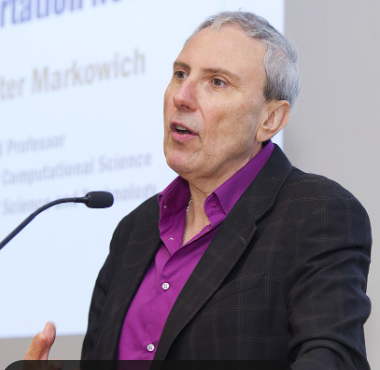






























































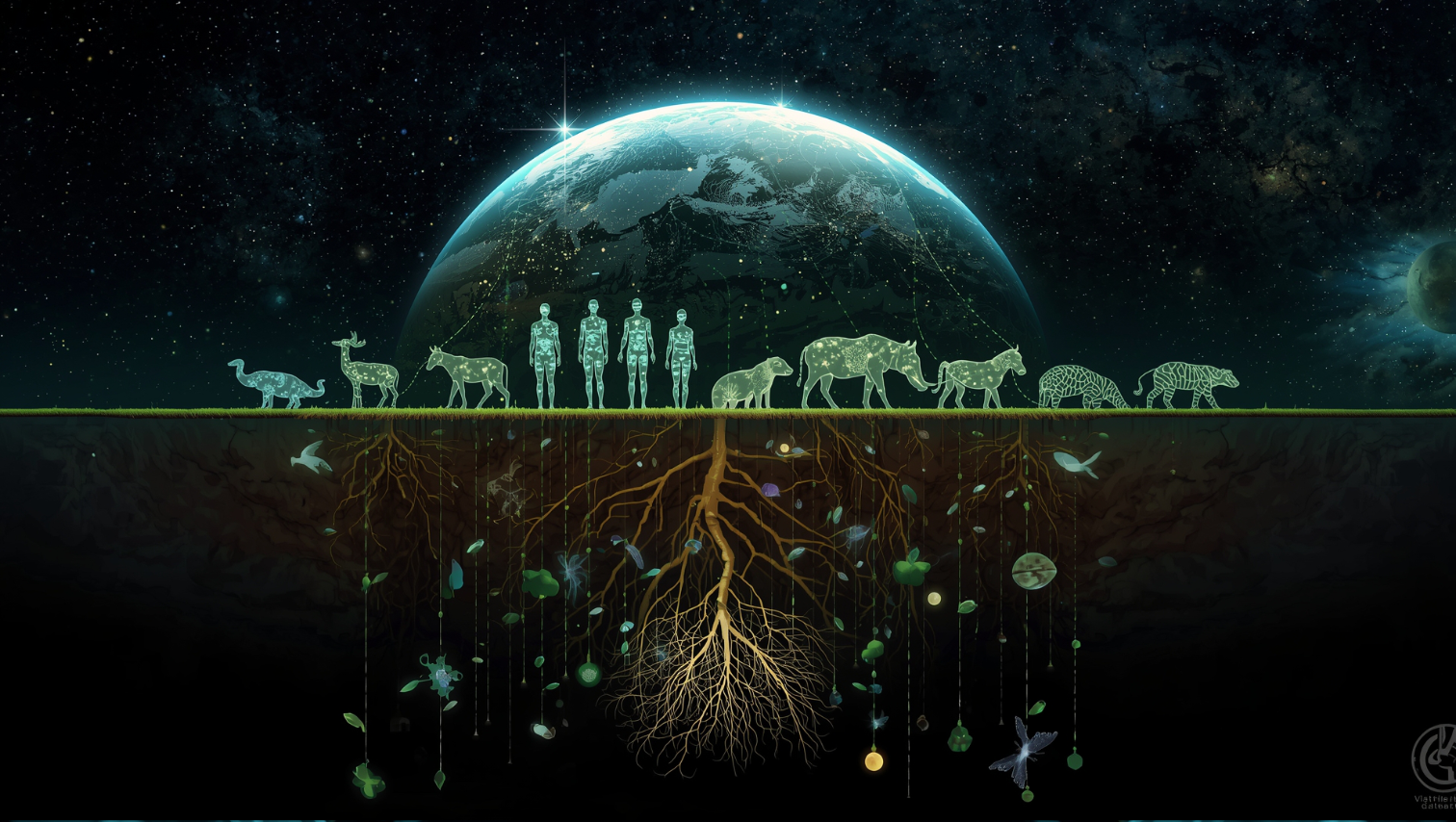













































































































































 Seville, Spain
  San Diego, USA
  Hangzhou, China
  Sharm El Sheikh, Egypt
  Rotterdam, Netherlands
  Vienna, Austria
  United Kingdom
  Vancouver, Canada
  Yokohama, Japan